
Blogs

Top 10 Herbs for Homegrown and Dried Culinary Delights
Whether you’re cultivating a kitchen herb garden for the joy of gardening, to cut costs, or to elevate the health factor in your meals, a variety of herbs can flourish in your backyard, on a patio, or even on a windowsill. The addition of fresh herbs not only enhances the flavours of your recipes but proves invaluable for concocting delicious soups, stews, and salads.
When selecting a location for your herb garden, prioritize an area that receives a solid four to six hours of sunlight daily. This sunlight requirement is crucial for the optimal growth of herbs. As you plant your kitchen garden, consider branching out beyond familiar herbs. Embrace the opportunity to experiment with new varieties—you may be pleasantly surprised by the unique flavours and aromas they bring to your culinary endeavours.
What Are Culinary Herbs?
Culinary herbs are flavorful additions to various dishes and aromatic plants known for their edible properties. These herbs are utilized in small quantities to enhance the taste and aroma of foods. Many culinary herbs serve dual purposes, finding applications in the kitchen and traditional medicine. These versatile plants are valued for their leaves, herbs, and their seeds, utilized as spices.
Chefs and home cooks frequently incorporate both fresh and dried herbs into a wide array of culinary creations. From decadent sauces and light salads to herb-infused baked goods, these herbs contribute to the rich tapestry of flavours in diverse cuisines. Beyond their culinary uses, many of these herbs have a long history of being prized for their medicinal properties. Dating back to the Middle Ages, these plants and their essential oils have been recognized for their potential health benefits, including anti-inflammatory and antiviral properties and skin-clearing applications in topical treatments.
Also Read This :Plant These 8 Lucky Plants at Home in the New Year 2024
10 Common Herbs and How to Use Them
Growing and drying herbs at home can be a rewarding and cost-effective way to enhance your culinary experiences. Here are ten popular herbs that you can quickly grow and then dry for later use:
- Basil (Ocimum basilicum):
- Rosemary (Rosmarinus officinalis)
- Thyme (Thymus vulgaris)
- Oregano (Origanum vulgare)
- Mint (Mentha spp.)
- Cilantro/Coriander (Coriandrum sativum)
- Parsley (Petroselinum crispum)
- Sage (Salvia officinalis)
- Chives (Allium schoenoprasum)
- Lavender (Lavandula spp.)
Basil (Ocimum basilicum):
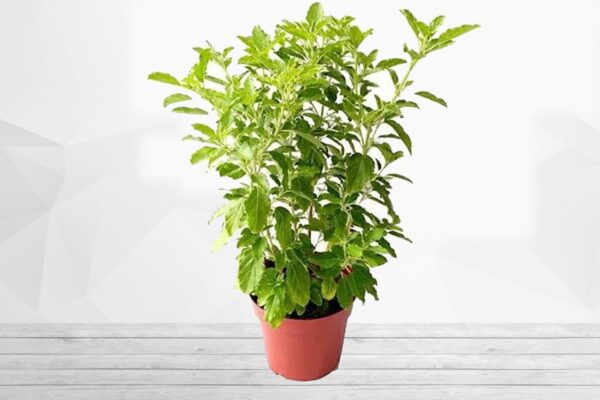
Belonging to the mint family, this herb boasts glossy, pointed leaves in a rich shade of deep green, offering a distinctive flavour profile that seamlessly blends sweetness with savoury notes, incorporating hints of anise, mint, and pepper. Its diverse varieties are sweet basil, Thai sweet basil, lemon basil, and holy basil. Basil serves as a culinary gem in fresh and dried forms, lending its unique essence to various dishes. From imparting depth to Italian sauces and meat dishes to elevating the flavours of Asian curries, this versatile herb is a kitchen staple. Notably, basil takes centre stage in preparing pesto—a delectable sauce comprising fresh basil, Parmesan cheese, pine nuts, garlic, kosher salt, black pepper, and olive oil.
Also Read This :Biochar Brilliance: Enhancing Soil Health for Sustainable Agriculture
Rosemary (Rosmarinus officinalis)
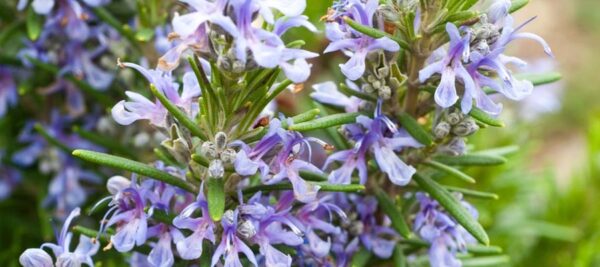
Derived from a Latin name signifying “dew of the sea,” rosemary has stood the test of time as a cherished herb, celebrated for its robust, fragrant sprigs and the precious rosemary oil it yields. Characterized by needle-like leaves, sturdy woody stems, and a herbaceous aroma, fresh rosemary is a versatile ingredient, enhancing the flavours of a diverse range of dishes. From complementing the savoury notes of roasted fall vegetables to lending depth to whipped goat cheese and infusing flavour into bundt cakes, rosemary proves its culinary prowess. Chefs commonly use rosemary stems and leaves to impart their distinctive essence to various recipes. Whether infusing hot oil or butter for cooking meats and vegetables or featuring prominently in rich rosemary-infused dishes, this herb adds a unique and aromatic dimension to culinary creations.
Also Read This :Tips For Curry Plant Growth: Secrets to Rapid Curry Plant Growth
Thyme (Thymus vulgaris):
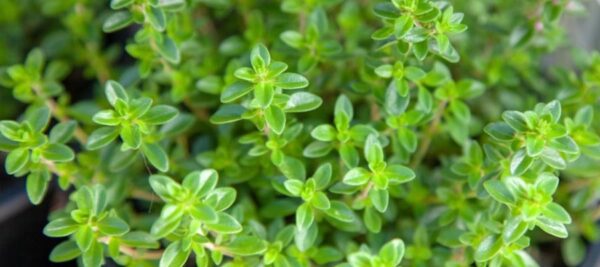
Thyme is a versatile herb that pairs well with various dishes. Drying thyme preserves its delicate flavour in soups, stews, and roasted meats.
Oregano (Origanum vulgare):
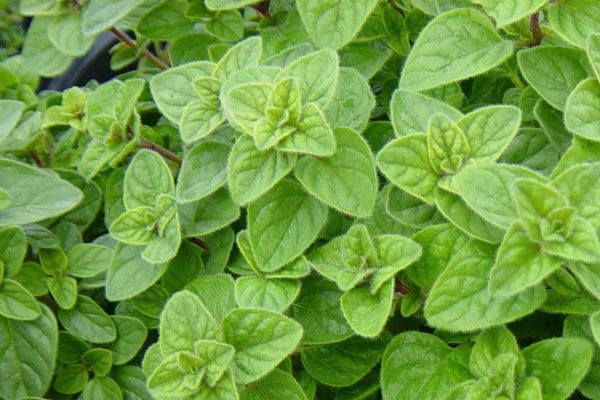
Oregano is a staple in Italian and Mediterranean cooking. Drying oregano intensifies its flavour, making it perfect for pizza, pasta, and tomato-based dishes.
Also Read This :Natural Garden Elixirs: 10 Surprising Fertilizers to Keep Your Garden Green
Mint (Mentha spp.):
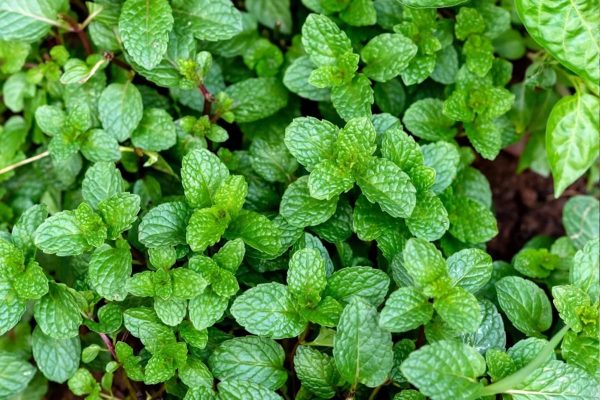
An enduring perennial, this plant unfolds a delicately sweet flavour accompanied by a refreshing, cooling sensation attributed to the menthol it contains. Mint, renowned for its versatility in culinary and medicinal realms, showcases tender, vibrant green leaves that stand out in various applications. Whether infused into soothing beverages such as mint tea and mint juleps or incorporated into savoury delights like Vietnamese pho and Thai stir-fries, mint elevates the taste experience. While dried mint finds its place in tea-making rituals, the culinary world favours the vibrant essence of fresh mint for its unparalleled contributions to a spectrum of dishes and drinks.
Also Read This :Home Gardening Delight: A Guide to Cultivating Fresh Lemongrass with Ease
Cilantro/Coriander (Coriandrum sativum):

Both cilantro (the leaves) and coriander (the seeds) are commonly used in various cuisines. Dry cilantro leaves for use in Mexican, Indian, and Asian dishes.
Parsley (Petroselinum crispum):
Parsley is a versatile herb used as a garnish or incorporated into various dishes. Drying parsley preserves its bright flavour for later use.
Also Read This :Green Guardians: Exploring the Best Plants Used for Hedges
Sage (Salvia officinalis):

Sage has a robust and earthy flavour that pairs well with poultry and stuffing. Dry sage leaves for use in savoury dishes and herbal blends.
Chives (Allium schoenoprasum):

Chives add a mild onion flavour and a pop of colour to dishes—dry chives for sprinkling on soups, salads, and baked potatoes.
Also Read This :Growing Syngonium Plants at Home: A Simple Guide Using Cuttings and Seeds
Lavender (Lavandula spp.):

Hailing from the mint family, this floral herb is often recognized for its enchanting fragrance, a staple in perfumery and potpourri. However, it is now experiencing a resurgence in culinary circles, finding its way into an array of delectable dishes. From imparting a unique twist to grilled pork chops and lavender jam to elevating the flavours of lavender-roasted red potatoes, this herb has even found a place in the world of sweet treats, enhancing the taste of lavender ice cream and shortbread cookies. Its aromatic charm is now delighting not only the senses but also the palates of those exploring the culinary versatility of this fragrant member of the mint family.
Also Read This :Harvest to Home: A DIY Guide on Making Dry Herbs in Simple Steps
When drying herbs, it’s important to harvest them at the right time, typically just before they flower, as this is when their essential oil content is highest. Hang them in small bunches in a cool, dark, and well-ventilated space. Once dried, store the herbs in airtight containers away from direct sunlight.