Blogs
Rapid-Growing Hedge Options for Australian Gardens
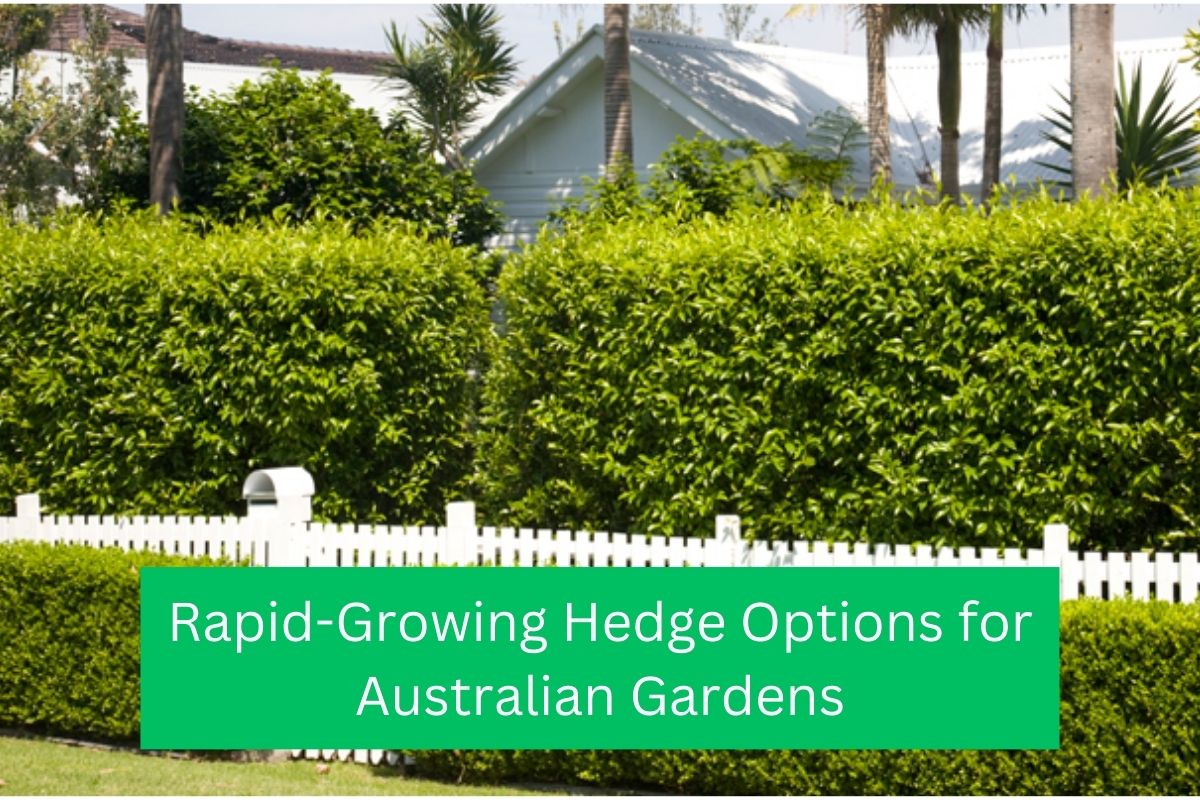
Hedges are functional and can add a touch of elegance and privacy to your garden. When you’re looking for rapid growth, it’s essential to choose hedge plants that thrive in the Australian climate and soil conditions. Here, we’ll explore some excellent choices for fast-growing hedges well-suited to Australian gardens.
Top 10 Fast-Growing Hedges in Australia
- Lilly Pilly (Syzygium spp.)
- Bottlebrush (Callistemon spp.)
- Pittosporum (Pittosporum spp.)
- Acmena (Acmena spp.)
- Bamboo (Bambusa spp.)
- Duranta (Duranta spp.)
- Lavender (Lavandula spp.)
- Escallonia (Escallonia spp.)
- Photinia (Photinia spp.)
- Pyracantha (Pyracantha spp.)
Lilly Pilly (Syzygium spp.)
Syzygium australe, or the “Lilly Pilly,” is popular. It’s a native Australian plant with various cultivars that offer fast growth, vibrant foliage, and the benefit of attracting native birds.

Also Read This :Growing Aparajita from Cuttings and Seeds: A Step-by-Step Guide
Bottlebrush (Callistemon spp.)
The bottlebrush hedge is adorned with unique, brush-like flowers. Its rapid growth and hardiness make it a fantastic choice for Australian gardens.

Pittosporum (Pittosporum spp.)
Pittosporum hedges, such as Pittosporum tenuifolium, offer lush green foliage and proliferate to create a dense screen.

Acmena (Acmena spp.)
Acmena, often called the “Eugenia” or “Syzygium,” is a rapid grower that can be trimmed to form a formal hedge or left to grow more naturally.

Also Read This :No Sun, No Problem: Low-Light Plant Varieties
Bamboo (Bambusa spp.)
Clumping bamboo varieties like Bambusa textilis gracilis can be a fast-growing and exotic hedge option, creating a dense, green screen.

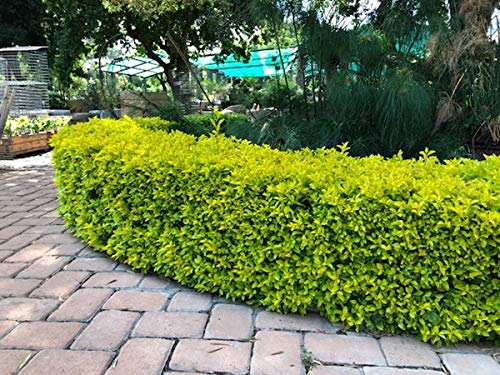
Duranta (Duranta spp.)
Duranta hedges, like Duranta repens, multiply and feature attractive, small blue flowers and vibrant, golden foliage.
Lavender (Lavandula spp.)
Lavender hedges, particularly Lavandula angustifolia, offer fragrant and rapid growth, adding beauty and functionality to your garden.

Escallonia (Escallonia spp.)
Escallonia hedges, such as Escallonia ‘Pink Princess’, grow swiftly and produce clusters of pink or white flowers.

Also Read This :10 Ways Plants Enhance Your Yoga Practice
Photinia (Photinia spp.)
Like Photinia x fraseri, Photinia is known for its vibrant red foliage and rapid growth, making it a popular choice for hedges.

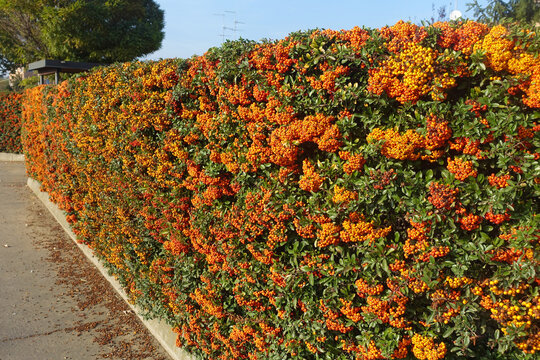
Pyracantha (Pyracantha spp.)
Pyracantha, also known as Firethorn, offers swift growth and vibrant berries and thorns that provide security.
Essential Considerations for Your Hedge Selection
When selecting a hedge for your garden, several essential considerations should guide your choice. These factors help ensure the hedge suits your needs and thrives in your specific environment:
Climate and Hardiness:
Choose a hedge that is well-suited to your local climate and hardiness zone. Consider factors like temperature extremes, rainfall, and seasonal variations.
Also Read This :2 Method to Grow Ginger (Adrak) at Home
Sunlight Requirements:
Determine the amount of sunlight the planting area receives throughout the day. Some hedges thrive in full sun, while others prefer partial or complete shade.
Soil Quality and pH:
Assess the soil quality, drainage, and pH level in your garden. Certain hedges may have specific soil requirements for optimal growth.
Purpose of the Hedge:
Define the primary purpose of your hedge. Are you looking for privacy, windbreak, ornamental appeal, or a combination of these factors?
Growth Rate:
Consider the speed at which the hedge will grow. If you need a fast-growing hedge for immediate results, select a species known for rapid growth.
Also Read This :Growing Garlic in Your Home Garden: A Step-By-Step Guide
Maintenance Requirements:
Evaluate the amount of maintenance you’re willing to commit to. Some hedges need regular pruning and care, while others are low-maintenance.
Aesthetic Preferences:
Think about the visual appeal you desire. Hedges come in various colours, shapes, and flowering habits. Choose one that complements your garden’s aesthetics.
Local Regulations:
Be aware of any local regulations or restrictions on hedge height, type, or placement. These rules can vary by region and may influence your choice.
Wildlife Attraction:
Some hedges attract beneficial wildlife like birds and pollinators. Consider the potential ecological impact of your hedge.
Also Read This :What are the Best Ways to Revive a Dying Hibiscus?
Allergies and Toxicity:
If you or your family members have allergies, be cautious of hedges that release allergenic pollen. Additionally, be aware of any hedge species that may be toxic to pets or children.
Long-Term Planning:
Think about the long-term goals for your hedge. Some hedges require more time to establish, while others may need replacement after a certain lifespan.
Budget:
Consider your budget for hedge installation and maintenance. Some species may be more cost-effective than others.