Blogs
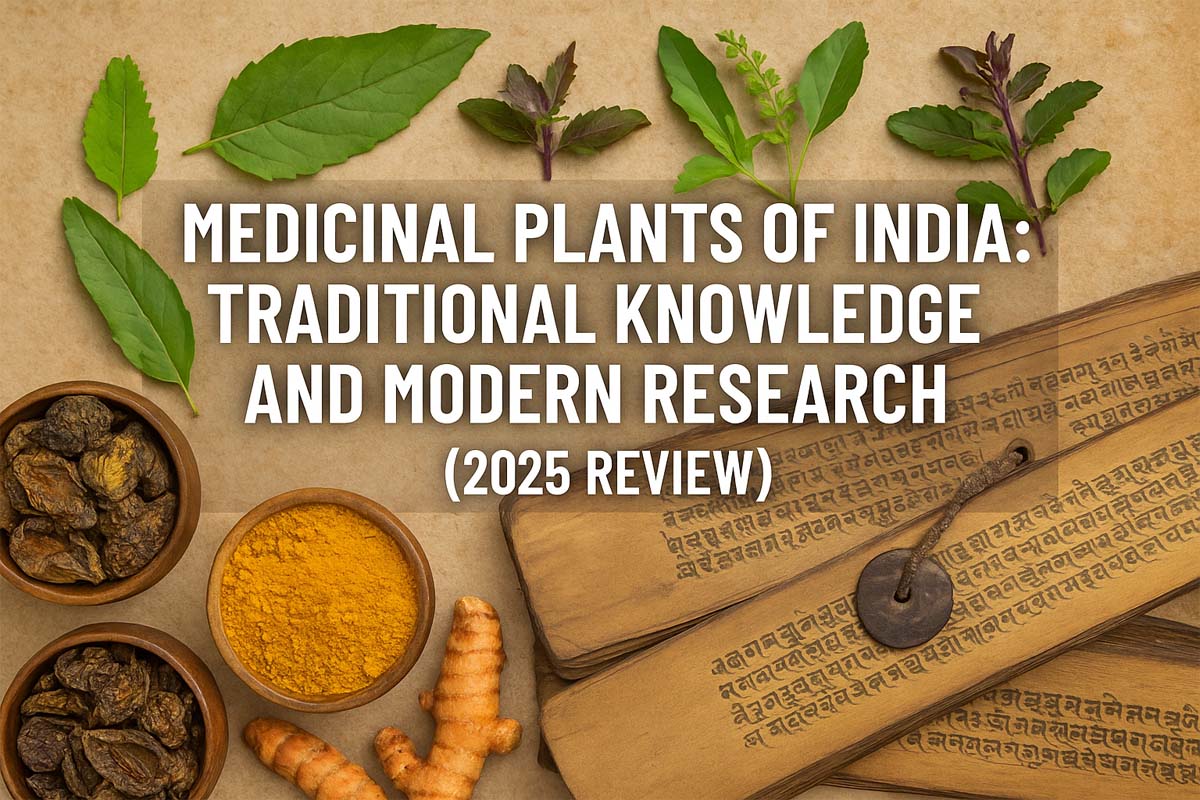
Medicinal Plants of India: Traditional Knowledge and Modern Research (2025 Review)
Abstract
India is home to over 7,000 species of medicinal plants, forming the foundation of Ayurveda, Siddha, and other traditional healthcare systems. In this review, we explore the most significant medicinal plants, their bioactive compounds, and how modern scientific research validates ancient claims. By bridging traditional knowledge with contemporary studies, these plants offer promising pathways for global healthcare and sustainable herbal industries.
Did you know that India’s 5,000-year-old herbal wisdom is now shaping modern healthcare across the world?
Introduction
The use of medicinal plants in India dates back to the Indus Valley civilization (around 2500 BCE), where early texts like the Rigveda and Atharvaveda described herbal remedies. Ayurveda, an ancient medical science over 5,000 years old, categorizes plants based on their therapeutic properties (Rasa, Guna, Virya, and Vipaka).
In recent decades, modern research has increasingly focused on identifying bioactive compounds in these plants to develop natural medicines. The integration of traditional wisdom with modern science has created a renaissance in herbal medicine, both in India and globally. This article highlights 10 key medicinal plants, their uses, and recent research findings while exploring India’s role in the future of herbal healthcare.
1. Historical Significance of Indian Medicinal Plants
Ancient Indian texts like the Charaka Samhita and Sushruta Samhita documented more than 500 medicinal plants, including detailed preparation techniques and therapeutic uses. Trade along the Silk Route spread India’s herbal knowledge to China, Persia, and Greece.
The Unani system of medicine also incorporated Indian plants such as neem and turmeric, while Buddhist monks carried medicinal seeds to Southeast Asia. In modern times, AYUSH (Ayurveda, Yoga & Naturopathy, Unani, Siddha, and Homeopathy) plays a central role in preserving and promoting these traditional therapies.
 Medicinal Plants of India: Traditional Knowledge and Modern Research
From Tulsi to Ashwagandha – ancient Indian plants are being rediscovered as the natural medicine of the future.
2. Key Medicinal Plants of India
2.1 Tulsi (Ocimum sanctum)
Traditional Use: Known as the “Queen of Herbs,” Tulsi is used for treating cough, cold, and respiratory issues.
Modern Research: Contains eugenol, ursolic acid, and rosmarinic acid, which exhibit anti-inflammatory and antimicrobial properties.
Recent Studies (2024): Research published in Journal of Ethnopharmacology confirmed Tulsi’s potential in reducing oxidative stress and improving immunity.
2.2 Neem (Azadirachta indica)
Traditional Use:Neem Used for skin disorders, infections, and detoxification.
Modern Research: Rich in azadirachtin and nimbin, which have antiviral and antibacterial properties.
Recent Studies: Neem-based extracts are being studied for their potential against drug-resistant pathogens.
2.3 Ashwagandha (Withania somnifera)
Traditional Use: A key Rasayana herb for stress relief, vitality, and improved cognitive function.
Modern Research: Studies indicate its adaptogenic effects and potential in reducing cortisol levels.
2025 Trend:Ashwagandha supplements are gaining popularity for managing stress and anxiety naturally.
2.4 Amla (Phyllanthus emblica)
Traditional Use: A rich source of Vitamin C; used in Chyawanprash for immunity.
Modern Research: Exhibits antioxidant, anti-inflammatory, and anticancer properties.
Key Findings: Research at CSIR-NBRI (2024) highlights Amla’s role in controlling type-2 diabetes.
2.5 Giloy (Tinospora cordifolia)
Traditional Use: Known as Amrita in Ayurveda, it is used for fever, immunity, and detoxification.
Modern Research: Contains alkaloids and glycosides that boost immune response.
Recent Studies: Post-COVID research showed Giloy’s potential in improving lung health and immunity.
2.6 Turmeric (Curcuma longa)
Traditional Use: A natural antiseptic and anti-inflammatory agent used in wound healing and digestive disorders.
Modern Research: Curcumin, its active compound, is globally recognized for anti-inflammatory and antioxidant effects.
Latest Findings: Studies suggest turmeric’s role in reducing arthritis symptoms and supporting brain health.
2.7 Brahmi (Bacopa monnieri)
Traditional Use: Enhances memory, learning, and concentration.
Modern Research: Bacopasides and saponins in Brahmi have neuroprotective and cognitive-enhancing properties.
Recent Trend: Increasing use of Brahmi extracts in nootropic supplements.
2.8 Aloe Vera (Aloe barbadensis miller)
Traditional Use:Aloe Vera Known for skin healing, burns, and digestive health.
Modern Research: Studies confirm its antibacterial and wound-healing capabilities due to compounds like aloin.
2.9 Shatavari (Asparagus racemosus)
Traditional Use: Promotes female reproductive health, hormonal balance, and lactation.
Modern Research: Identified saponins and flavonoids have adaptogenic and antioxidant properties.
2.10 Rauvolfia (Rauvolfia serpentina)
Traditional Use: Used in Ayurveda for hypertension, insomnia, and anxiety.
Modern Research: Reserpine extracted from Rauvolfia is used in anti-hypertensive drugs.
Conservation Need: Overharvesting has made it an endangered species.
Also Read This :Grow Vegetables on Water: India’s Floating Gardening Revolution
3. Scientific Validation of Traditional Herbs
Modern science is actively validating Ayurvedic herbs through phytochemical studies, clinical trials, and biotechnology.
- Ashwagandha: Tested in double-blind placebo-controlled trials for stress management and cognitive improvement.
- Curcumin (Turmeric): Recognized for anti-inflammatory effects in arthritis and neurodegenerative diseases.
- Neem & Tulsi: Extensively researched for antimicrobial properties and potential use in pharmaceuticals.
Advanced methods like DNA barcoding and metabolomics are ensuring authenticity and safety of herbal raw materials.
4. Ayurveda in Global Herbal Markets
The global herbal medicine market is projected to reach USD 400 billion by 2030, with Indian medicinal plants like neem, turmeric, and ashwagandha in high demand.
Government initiatives such as AYUSH, National Medicinal Plants Board (NMPB), and Medicinal Plants Conservation Areas (MPCAs) aim to promote cultivation, sustainable harvesting, and export of herbal products.
India’s herbal exports, which stood at USD 1.7 billion in 2024, are expected to grow at 15% annually due to global demand for natural remedies.
Also Read This :Parijat (Night-Flowering Jasmine) – The Tree from Heaven
5. Challenges and Future Directions
- Overharvesting: Threatens rare species like Rauvolfia serpentina and Gloriosa superba.
- Standardization Issues: Lack of dosage guidelines for herbal products affects quality.
- Research Gaps: More genomic studies and clinical research are needed to ensure safety and efficacy.
- Climate Change: Habitat loss and unpredictable weather patterns threaten medicinal plant diversity.
6. Future Innovations
- Biotechnology in Herbal Research: Genetic engineering to enhance medicinal compounds.
- AI-Powered Herbal Databases: AI models predict drug interactions and optimal plant combinations.
- Sustainable Cultivation: Vertical farming and hydroponics for rare herbs like Kutki and Sarpagandha.
Conclusion
Medicinal plants are India’s greatest gift to global healthcare. While Ayurveda provides time-tested wisdom, modern research is validating these ancient remedies with scientific rigor. By blending traditional knowledge with biotechnology, India can emerge as a global leader in sustainable herbal medicine. The coming decade will see increased collaboration between traditional healers, researchers, and pharmaceutical industries to unlock the full potential of India’s medicinal flora.
Also Read This :Seasonal Guide: Best Plants to Grow in August 2025 in India
References
- Sharma, A., & Singh, R. (2024). Phytochemical and Pharmacological Studies of Ocimum sanctum. Journal of Ethnopharmacology.
- National Medicinal Plants Board (NMPB) Report, 2024.
- Patwardhan, B. (2023). Ayurveda and Natural Product Research. Indian Journal of Traditional Knowledge.
- CSIR-NBRI Annual Research Highlights (2024).
FAQs
Q1. Which Indian medicinal plant is best for immunity?
Tulsi, Giloy, and Amla are among the top immunity-boosting plants.
Q2. Are Ayurvedic herbs scientifically proven?
Many herbs like turmeric, neem, and ashwagandha are backed by clinical trials and research.
Q3. Can medicinal plants replace modern medicine?
They complement modern medicine but should be used under expert guidance.
Q4. Which herbs are endangered in India?
Rauvolfia serpentina, Kutki, and Sandalwood are critically endangered due to overharvesting.
Q5. What is the future of Indian herbal medicine?
With AYUSH initiatives and global demand, India’s herbal market is poised for major growth.