Blogs
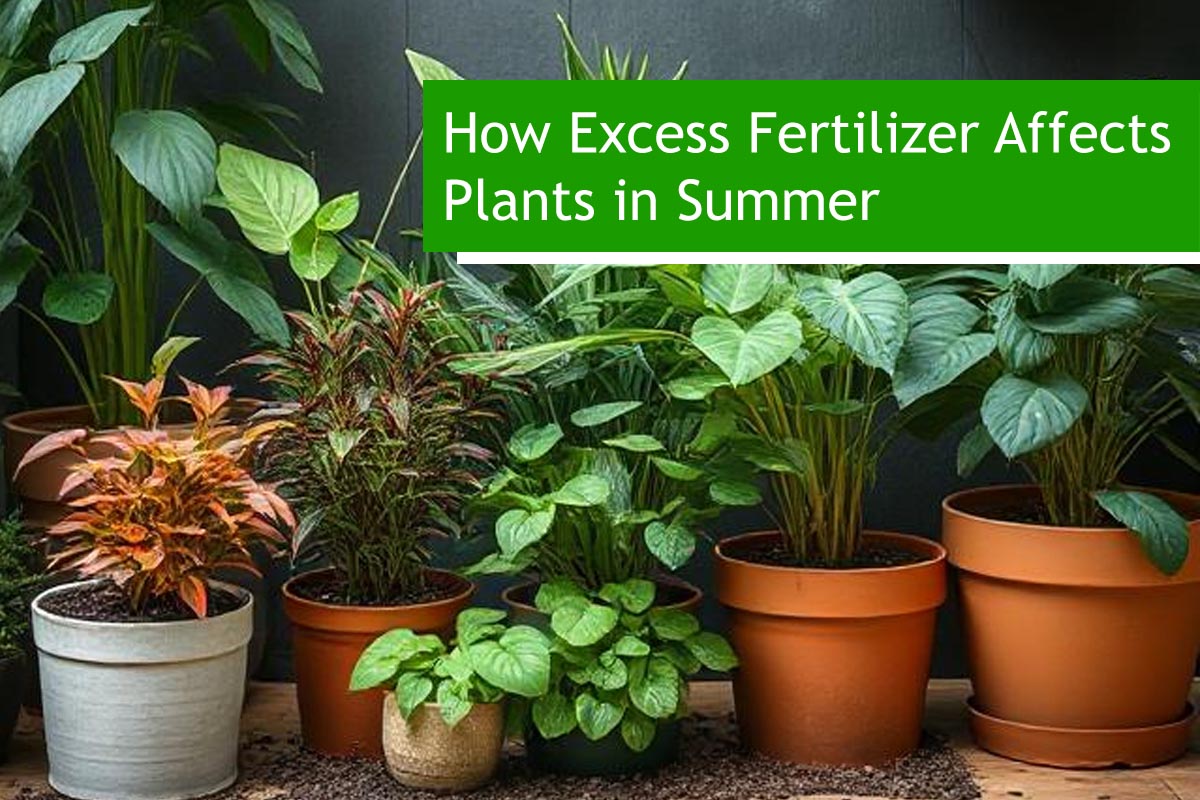
How Excess Fertilizer Affects Plants in Summer
Fertilizers are essential for plant growth and development as they replenish necessary nutrients in the soil. However, too much of a good thing can be harmful—especially during the summer months. Excess fertilizer increases soil salinity, which damages plant roots and affects water and nutrient absorption. Additionally, an excess of nutrients like nitrogen may result in lush green foliage but can reduce the number of flowers and fruits. In this article, we will explore what happens when too much fertilizer is applied to plants and the disadvantages of excessive fertilizer use.
Negative Impacts of Overusing Fertilizers on Plants in Summer
1. Nutrient Burn and Root Damage
During hot summer months, plants are already under stress from high temperatures. When excess fertilizer is applied, it can cause nutrient burn, leading to scorched or yellowed leaves. High concentrations of nitrogen and salts in fertilizers can damage roots, making it harder for plants to absorb water and nutrients effectively. This results in stunted growth and weakened resistance to pests and diseases.
2. Dehydration and Wilting
Fertilizers contain salts that can disrupt the water balance in the soil. When too much fertilizer is used, it creates an environment where water is drawn away from plant roots instead of being absorbed. This causes dehydration, leading to wilting, even if the soil appears moist. Summer heat exacerbates this issue, making plants even more susceptible to drought stress.
Also Read This :7 Flowers That Look Like Roses and Will Beautify Your Garden
3. Soil Imbalance and Toxicity
Excess fertilizer alters soil chemistry by increasing acidity or alkalinity, depending on the type of fertilizer used. This imbalance can reduce the availability of essential nutrients, leading to deficiencies in micronutrients like iron, zinc, and magnesium. Additionally, too much fertilizer can build up harmful substances such as ammonia and nitrates, which can be toxic to plants.

4. Pest and Disease Attraction
Over-fertilized plants often grow rapidly but with weaker cell structures, making them more vulnerable to pests and diseases. Aphids, mites, and fungal infections thrive on lush, nitrogen-rich foliage. In hot weather, these infestations can spread quickly, further compromising plant health.
Also Read This :Role of Plants in Carbon Sequestration and Climate Change Mitigation
5. Environmental Impact
Excess fertilizer doesn’t just affect individual plants—it can also have broader environmental consequences. Runoff from over-fertilized soil can lead to water pollution, contaminating rivers, lakes, and groundwater. This contributes to algae blooms that deplete oxygen in water bodies, harming aquatic life.
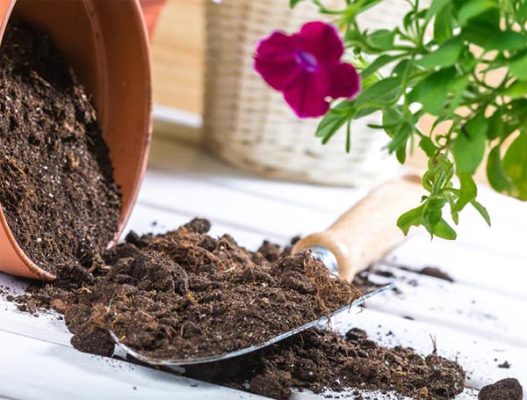
How to Prevent Over-Fertilization in Summer
- Use slow-release fertilizers: These provide nutrients gradually, reducing the risk of overfeeding.
- Follow recommended dosages: More fertilizer doesn’t mean better growth; always stick to manufacturer guidelines.
- Water properly: Ensure deep and consistent watering to help plants absorb nutrients without causing salt buildup.
- Monitor soil health: Regularly test soil to determine its nutrient levels before applying fertilizer.
- Use organic alternatives: Compost and natural fertilizers can provide a balanced nutrient supply without harmful side effects.
Conclusion
While fertilizers are essential for plant growth, excessive application during summer can cause more harm than good. By understanding the risks of over-fertilization and adopting better practices, gardeners and farmers can ensure their plants remain healthy, vibrant, and resilient—even in the hottest months of the year.
Also Read This :Understanding Plant Responses to Climate Change Adaptations and Impacts
FAQ: How Excess Fertilizer Affects Plants in Summer
What happens when I apply too much fertilizer to my plants in summer?
Over-fertilizing can lead to nutrient imbalances, root burn, dehydration, and weak plant growth. Plants may also become more susceptible to pests and diseases.
How does excess fertilizer cause root burn?
High concentrations of salts in fertilizer draw moisture away from plant roots, causing dehydration and damage, which can lead to yellowing or wilting of plants.
Can too much fertilizer affect plant growth?
Yes, excessive fertilizer can encourage excessive leafy growth at the expense of flowers and fruits. This can result in weak, spindly plants with less productive blooms or yields.
Does over-fertilizing harm the environment?
Yes, excess fertilizer can run off into waterways, causing pollution and harming aquatic ecosystems by promoting harmful algal blooms.
How can I avoid over-fertilizing my plants?
Use fertilizers as recommended for each plant, water deeply, and opt for slow-release fertilizers to ensure plants get nutrients over time without excess buildup.