Blogs
Understanding Plant Responses to Climate Change Adaptations and Impacts
Climate change is one of the most pressing environmental challenges of our time. Rising global temperatures, increased carbon dioxide (CO₂) levels, and shifting precipitation patterns are drastically altering ecosystems worldwide. Among the most affected organisms are plants, which serve as the foundation of terrestrial ecosystems. Understanding how plants respond to climate change is essential for preserving biodiversity, maintaining food security, and mitigating environmental consequences. This article explores the physiological changes, distribution shifts, ecosystem impacts, and agricultural implications of climate change on plant life.
Physiological Responses of Plants to Climate Change
Increased Photosynthesis Due to Elevated CO₂ Levels
One of the most well-documented effects of climate change on plants is the rise in atmospheric CO₂ concentration. Elevated CO₂ levels enhance the process of photosynthesis, allowing plants to grow more efficiently and produce higher biomass. This phenomenon, known as CO₂ fertilization, can benefit certain plant species by increasing their productivity. However, excessive CO₂ can also disrupt the balance of nutrients, potentially reducing the nutritional value of crops and altering plant competition dynamics in natural ecosystems.
Temperature Stress and Heat Tolerance Mechanisms
As global temperatures rise, plants face increased heat stress, which can negatively impact growth, reproduction, and survival. Many plant species have developed heat tolerance mechanisms, such as:
- Heat shock proteins (HSPs): These specialized proteins help maintain cellular function and protect plant tissues under extreme heat conditions.
- Leaf morphology adaptations: Some plants alter their leaf structure to minimize water loss and heat absorption.
- Stomatal regulation: Stomata, the tiny pores on leaves, adjust their opening and closing to optimize water retention and gas exchange under temperature fluctuations.
Water Use Efficiency and Drought Resistance
Changes in precipitation patterns and prolonged droughts are significant challenges for plant survival. In response, plants have developed several drought resistance strategies:
- Deep root systems: Some species, such as acacia trees, develop extensive root networks to access deep water sources.
- Crassulacean Acid Metabolism (CAM) and C4 photosynthesis: These specialized pathways enable plants to minimize water loss while maintaining efficient photosynthesis.
- Osmotic adjustment: Plants regulate the concentration of solutes in their cells to retain water and prevent dehydration.
Understanding these physiological adaptations is crucial for developing climate-resilient crop varieties and conservation strategies for natural ecosystems. In the next section, we will explore how climate change influences plant distribution and phenology.
Physiological Responses of Plants to Climate Change
Plants respond to climate change in various ways, adapting their physiological functions to cope with rising temperatures, increased carbon dioxide levels, and shifting weather patterns. These responses can be both beneficial and detrimental, depending on the species and environmental conditions.
Photosynthesis and Carbon Uptake
One of the primary physiological responses to climate change is the alteration of photosynthesis. Elevated carbon dioxide (CO₂) levels generally enhance photosynthetic rates in C3 plants (e.g., wheat, rice, and soybeans), leading to increased biomass production. However, excessive CO₂ can also reduce stomatal conductance, limiting water loss but potentially decreasing nutrient uptake efficiency.
Water Use Efficiency and Drought Tolerance
With rising temperatures and irregular precipitation patterns, plants adjust their water use efficiency. Some species develop deeper root systems to access underground water, while others close their stomata more frequently to conserve moisture. However, prolonged drought conditions can lead to wilting, reduced growth, and even plant mortality.
Heat Stress and Enzyme Functionality
Higher temperatures can accelerate enzymatic reactions in plants, sometimes leading to increased metabolic rates. However, extreme heat can cause protein denaturation, disrupting crucial biological processes like respiration and nutrient transport. To counteract this, plants produce heat shock proteins (HSPs) that help stabilize cellular structures under thermal stress.
Changes in Phenology (Life Cycle Timing)
Climate change has led to shifts in the timing of plant life cycle events, such as flowering, seed germination, and leaf senescence. Warmer temperatures may trigger earlier blooming in some species, but if pollinators are not synchronized with these changes, it can disrupt reproduction and reduce crop yields.
Morphological Adaptations of Plants to Climate Change
Plants exhibit structural changes to survive and thrive in changing climatic conditions. These adaptations help them cope with temperature extremes, water scarcity, and increased atmospheric CO₂ levels.
Leaf Structure and Stomatal Adjustments
To combat excessive water loss caused by rising temperatures, many plants develop smaller or thicker leaves with waxy coatings. Some species also reduce stomatal density or adjust stomatal opening times to regulate transpiration efficiently. These modifications help maintain water balance and prevent desiccation.
Root System Modifications
Drought-prone environments encourage plants to evolve deeper or more extensive root systems to access groundwater. In arid regions, species like mesquite trees develop long taproots, while others, like cacti, form shallow yet widespread roots to quickly absorb rainfall.
Growth Pattern Changes
Certain plant species alter their growth patterns to adapt to climate change. For instance, some trees invest more in root expansion rather than shoot growth to enhance drought resistance. In contrast, fast-growing annuals may accelerate their life cycle to reproduce before extreme weather conditions set in.
Alterations in Seed Dispersal Mechanisms
Changing wind and precipitation patterns influence how plants spread their seeds. Some plants develop lighter seeds for wind dispersal, while others rely on animals to transport them over longer distances. This ensures survival in more favorable locations as climate zones shift.
Ecological Responses of Plants to Climate Change
Climate change not only affects individual plants but also disrupts entire ecosystems, altering species interactions, biodiversity, and habitat distribution. These ecological responses shape the survival and adaptability of plant communities worldwide.
Shifts in Plant Distribution and Habitat Ranges
As temperatures rise, many plant species migrate toward cooler regions or higher elevations to maintain favorable growth conditions. For example, alpine plants are gradually shifting upslope, while boreal forests are expanding northward. However, habitat fragmentation due to human activities can limit these natural migrations.
Changes in Plant-Pollinator Relationships
The timing of flowering and pollinator activity is crucial for successful reproduction. Climate-induced shifts in phenology can cause mismatches between plants and their pollinators. If flowers bloom before or after pollinators are active, it can reduce seed production and impact food webs that rely on these interactions.
Altered Competition Among Plant Species
Warmer temperatures and CO₂ enrichment may favor invasive species over native plants, leading to imbalances in ecosystems. Fast-growing, heat-tolerant weeds can outcompete native vegetation, reducing biodiversity and altering soil nutrient cycling. This is already evident in grassland and forest ecosystems where invasive species are expanding their dominance.
Soil Microbiome and Nutrient Cycling Disruptions
Climate change influences microbial activity in the soil, which is essential for nutrient cycling and plant health. Rising temperatures and altered precipitation patterns affect the composition of soil microbes, potentially reducing nutrient availability for plants. For example, prolonged droughts can decrease microbial diversity, impairing soil fertility.
Adaptation Strategies for Plants in a Changing Climate
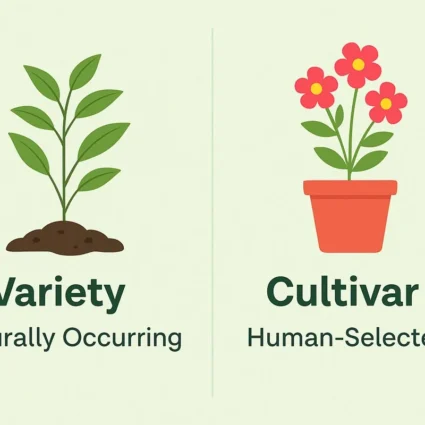
To survive the ongoing impacts of climate change, plants employ a variety of adaptation strategies. Some of these responses are naturally occurring, while others are being enhanced through scientific interventions like selective breeding and genetic modification.
Natural Selection and Evolutionary Adaptations
Over generations, plants evolve to withstand environmental stresses. Species that can survive extreme heat, drought, or unpredictable weather patterns develop adaptive traits such as:
- Drought-resistant physiology – Deep-rooted species like acacia trees thrive in arid conditions.
- Heat-tolerant enzymes – Some desert plants have proteins that maintain cellular function at high temperatures.
- Frost resistance – Alpine plants produce antifreeze proteins to prevent ice crystal formation in their tissues.
Epigenetic Changes for Rapid Adaptation
Plants have an incredible ability to “remember” environmental stressors through epigenetic modifications. These are changes in gene expression (not DNA sequence) that allow plants to adjust quickly to new conditions. For example, certain plants exposed to drought develop mechanisms to conserve water, and these traits may be passed to future generations.
Assisted Migration and Conservation Efforts
As climate zones shift, some plant species struggle to migrate naturally due to habitat fragmentation. Scientists and conservationists are assisting in the process by:
- Relocating endangered plant species to more suitable environments.
- Establishing seed banks to preserve plant genetic diversity for future use.
- Restoring ecosystems by planting climate-resilient species.
Genetic Engineering and Selective Breeding
Agricultural scientists are developing climate-resilient crops through genetic modifications and selective breeding. Some of these advancements include:
- Drought-resistant wheat and rice strains that require less water.
- Salt-tolerant crops to withstand rising soil salinity due to sea level rise.
- Heat-resistant maize and soybeans that maintain productivity under extreme temperatures.
Symbiotic Relationships for Climate Resilience
Plants form mutually beneficial relationships with fungi and bacteria to enhance their resilience. For instance:
- Mycorrhizal fungi help plants absorb nutrients and water more efficiently.
- Nitrogen-fixing bacteria improve soil fertility, reducing the need for synthetic fertilizers.
FAQ: How Do Plants Respond to Climate Change?
- How does climate change affect plant growth?
Climate change alters temperature, precipitation patterns, and CO₂ levels, directly influencing plant growth. While some plants benefit from increased CO₂ (boosting photosynthesis), others struggle with heat stress, drought, and extreme weather, leading to stunted growth or reduced yields.
- Can plants adapt to climate change on their own?
Yes, but adaptation takes time. Plants evolve through natural selection, adjusting physiological and morphological traits to survive changing conditions. However, rapid climate change outpaces these adaptations, making conservation efforts and scientific interventions crucial.
- How does climate change impact agriculture?
Rising temperatures, unpredictable rainfall, and increased pests threaten global crop production. Some regions experience longer growing seasons, while others face droughts, reduced soil fertility, or more frequent extreme weather events, affecting food security.
- What role does genetic engineering play in plant adaptation?
Genetic engineering helps develop climate-resilient crops by enhancing drought, heat, and disease resistance. Scientists modify plant genes to improve water-use efficiency, increase nutrient uptake, and ensure stable yields under changing environmental conditions.
- How does climate change affect plant-pollinator interactions?
Climate shifts can cause mismatches between flowering times and pollinator activity. If plants bloom too early or too late, pollinators like bees and butterflies may not be available, reducing successful reproduction and impacting ecosystems dependent on these interactions.
- What are some examples of plants adapting to climate change?
- Desert plants (e.g., cacti) store water in thick tissues and minimize leaf surface area to reduce evaporation.
- Alpine plants produce antifreeze proteins to survive freezing temperatures.
- Drought-resistant crops (e.g., sorghum, millet) have deep root systems to access water in arid conditions.
- What can be done to help plants adapt to climate change?
Efforts to support plant adaptation include:
- Restoring forests and ecosystems.
- Breeding climate-resilient crops.
- Reducing deforestation and land degradation.
- Conserving water and improving soil health with sustainable farming practices.
The Future of Plants in a Changing Climate
Climate change presents both challenges and opportunities for plant life. While rising CO₂ levels may boost photosynthesis in some species, the long-term effects of extreme weather, shifting ecosystems, and disrupted pollination cycles pose significant threats. Plants are adapting through physiological, morphological, and ecological changes, but the rapid pace of climate change often outstrips their natural ability to evolve.
To ensure plant survival and ecosystem stability, a combination of conservation efforts, scientific advancements, and sustainable agricultural practices is essential. From genetic engineering to habitat restoration, humans play a crucial role in helping plants adapt to a rapidly changing world.
By understanding how plants respond to climate change, we can develop strategies to protect biodiversity, maintain food security, and create a more resilient environment for future generations. The choices we make today will determine the health of plant ecosystems for years to come.