Blogs
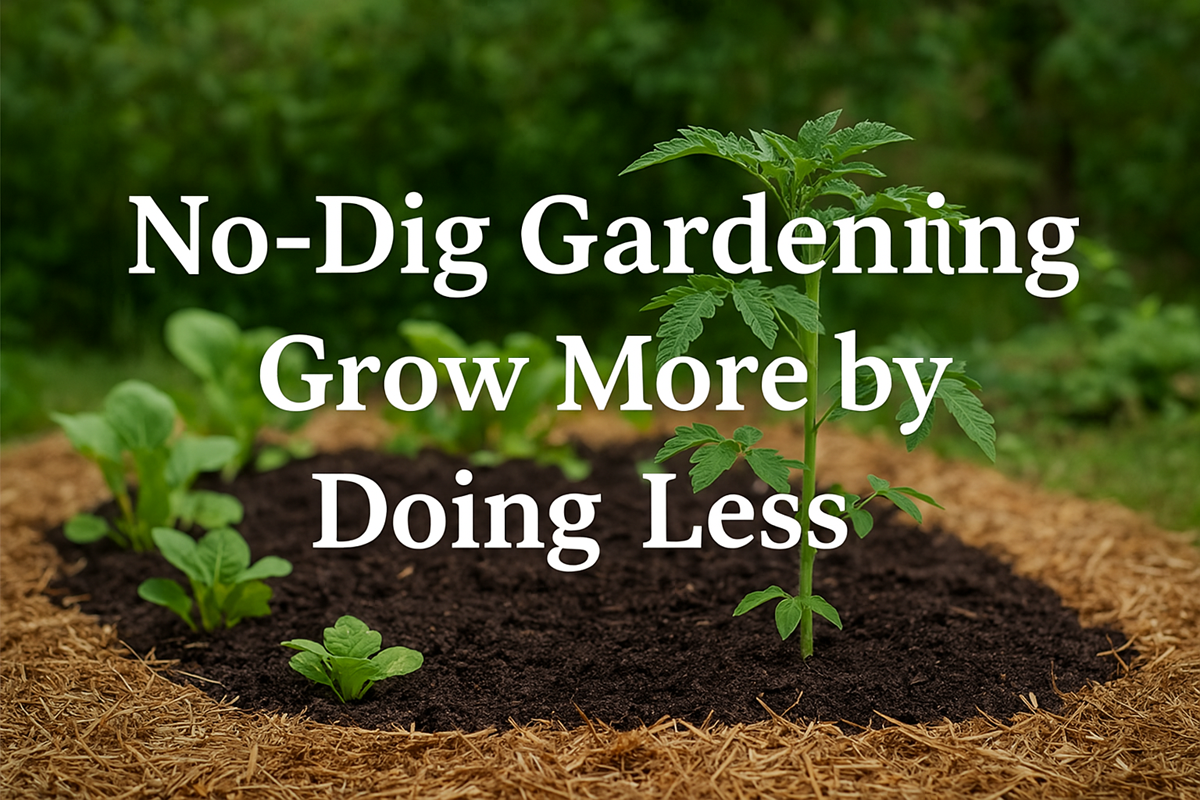
No-Dig Gardening: Grow More by Doing Less
In today’s fast-paced world, where convenience and sustainability are both key, gardening is making a major comeback — but with a twist. Gone are the days when growing your own vegetables or flowers meant spending hours digging, tilling, and turning the soil. Enter: No-Dig Gardening, a modern, nature-friendly technique that’s gaining popularity among beginners and pros alike.
If you’re curious about how to grow a thriving garden without breaking your back (or your soil!), this blog is for you.
🌿 What is No-Dig Gardening?
No-dig gardening is exactly what it sounds like — a method of growing plants without digging or tilling the soil. Instead of disturbing the ground, you build up healthy layers of organic material like compost, mulch, and leaves directly on top of the existing soil or lawn. Over time, this organic matter breaks down naturally and creates rich, fertile ground where plants can thrive.
This technique mimics nature’s own way of building soil. Think about a forest — no one digs it up, yet trees grow tall, leaves fall, and over the years, the soil gets richer. No-dig gardening works on the same principle.
🌼 Why Should You Try It?
No-dig gardening isn’t just about skipping a step — it comes with a bunch of amazing benefits:
1. Healthier Soil Life
Digging can damage the delicate web of life in the soil — the fungi, bacteria, and tiny creatures that help plants absorb nutrients. No-digging keeps this underground ecosystem intact and thriving, making your garden more self-sufficient and resilient.
2. Fewer Weeds
When you apply thick layers of compost and mulch on top of the soil, it blocks sunlight from reaching weed seeds. As a result, fewer weeds grow — and the ones that do are easier to pull out.
3. Better Water Retention
Mulch acts like a protective blanket, keeping moisture in the soil. You’ll water less often, which is great for the environment and your water bill.
4. Time and Energy Saver
Since you’re not tilling, digging, or turning the soil, you’ll save a lot of time and energy. This makes no-dig gardening ideal for older gardeners, busy people, or anyone with physical limitations.
5. Environmentally Friendly
Less digging means less carbon is released from the soil into the atmosphere. It also prevents erosion and builds soil health naturally.
Also Read This :Plant Propagation for Beginners (Without Killing the Cuttings)
🛠️ How to Start Your Own No-Dig Garden
Ready to give it a go? Starting a no-dig garden is easy, and you don’t need any fancy tools.
Step 1: Choose Your Site
Pick a sunny spot — most vegetables and flowers need 6–8 hours of sunlight per day. You can do no-dig gardening on a lawn, raised bed, or even on a patch of poor soil.
Step 2: Lay a Weed Barrier
Start by placing a thick layer of cardboard or newspaper over the soil. This helps suppress weeds and grass. Make sure to overlap the edges so nothing sneaks through.
Step 3: Add Organic Matter
On top of the cardboard, spread a 4–6 inch layer of compost, well-rotted manure, or organic soil mix. This is where your plants will grow.
Step 4: Mulch the Top
Now add a layer of mulch — dry leaves, straw, wood chips, or grass clippings. Mulch helps retain moisture and keeps the compost from drying out.
Step 5: Plant Your Garden
Push aside the mulch where you want to plant, dig a small hole in the compost, and pop in your seed or seedling. Then gently cover the area again with mulch.
That’s it! Your no-dig garden is now ready to grow.
Also Read This :Struggling with Seed Germination? Try These Expert Gardening Tips!
💡 Pro Tips for Success
- Start small — one or two beds are enough to see the magic.
- Keep feeding the soil — add compost and mulch each season to keep the layers rich and healthy.
- Use companion planting — certain plants, like marigolds and basil, help repel pests naturally.
- Water wisely — even though mulch helps retain water, young plants still need consistent moisture in the beginning.
- Be patient — the soil improves over time. Each season, it becomes richer, softer, and more productive.
🌺 No-Dig Myths Busted
Let’s clear up a few common misconceptions:
- “I need to dig to loosen hard soil.”
Nope! With time, earthworms and microbes do that job better than any shovel. - “Won’t my plants struggle without digging?”
Not at all — many gardeners report stronger, healthier crops using the no-dig method. - “It only works for small gardens.”
Wrong again! You can scale no-dig beds from tiny balcony gardens to large plots.
Also Read This :These Plants Thrive in Dry Conditions
🌻 Final Thoughts
No-dig gardening is more than just a gardening trend — it’s a sustainable lifestyle choice. It helps you grow food and flowers in a way that’s gentle on the earth, easy on your body, and rich in results. Whether you’re a beginner looking for a simple way to start or an experienced gardener tired of all the heavy lifting, this method is a game-changer.
So if you’re ready to garden smarter — not harder — let your shovel take a rest. No-dig is the way to grow. 🌱
🌿 FAQs
1. Does no-dig gardening really work for all types of plants?
Yes! From leafy greens and root vegetables to flowers and herbs, most plants thrive in no-dig beds. Just make sure they get enough sunlight and water.
2. Can I start a no-dig garden on top of grass or weeds?
Absolutely. Cover the area with cardboard or thick newspaper to block weeds and grass. Then add compost and mulch on top — no need to remove the grass underneath.
3. How often do I need to add compost or mulch?
Ideally, add a fresh layer of compost and mulch once or twice a year — usually in spring and/or fall — to maintain soil health and suppress weeds.
4. Will pests and diseases be a problem in a no-dig garden?
Not usually. In fact, healthy, undisturbed soil with active microbial life often means stronger plants and fewer pest issues. Companion planting can also help.
5. Can I use no-dig gardening in containers or raised beds?
Yes! The no-dig method works great in raised beds and large containers. Just layer compost and mulch instead of mixing the soil, and you’re good to go.