Blogs

Don’t Buy Again! Grow Unlimited Curry Leaves at Home with These Tricks
Curry leaves (Murraya koenigii), also known as kadhi patta, are glossy aromatic leaves used in Indian and Southeast Asian cuisine. They add a citrusy, lemongrass-like fragrance and depth to curries, rice dishes, and chutneys. Beyond flavor, curry leaves pack nutritional punch – they’re rich in vitamins A, C, E, B and loaded with antioxidants. These powerful plant compounds can help protect your body from oxidative stress and even support digestion and immunity. For home cooks, this means fresher taste and higher nutrient content than store-bought.

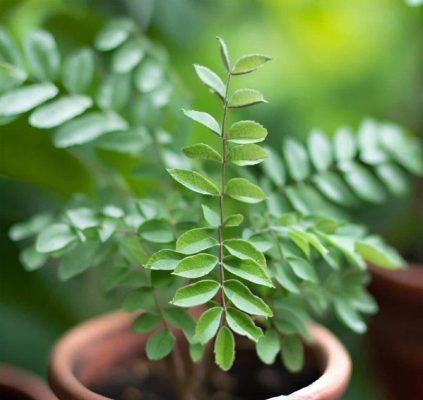
This young curry leaf plant thrives with bright light and airy, well-drained soil (as it does here). In fact, experts note that curry trees do best in rich, slightly acidic soil with good drainage. Overwatering is a common pitfall – let the pot’s top inch dry out between waterings to prevent root rot. Give your curry tree plenty of sun (at least 6–8 hours/day) for lush foliage. With these basics, you’ll be on your way to growing an endless supply of fresh, fragrant curry leaves at home.
Benefits of Growing Your Own Curry Leaf Plant
Growing your own curry tree at home comes with many perks:
- Fresh & Always on Hand: You’ll have a steady supply of bright-green leaves ready whenever you cook. No more wilting store leaves – just pick what you need.
- Saves Money: Buying fresh curry leaves regularly can get expensive. A single plant provides hundreds of leaves over its lifetime, paying for itself in a season.
- Organic & Safe: You control the growing process, so you know exactly what goes into the soil. Homegrown curry leaves can be completely organic and pesticide-free, avoiding any store-bought chemical residues.
- Health & Flavor: Freshly picked curry leaves have a more vibrant taste and retain more nutrients. They’re believed to aid digestion, support heart health and even promote hair growth. Having a plant in your kitchen or garden means you can harness these health benefits easily.
- Aesthetic Appeal: The curry tree itself is ornamental. It develops neat pinnate leaves, small clusters of starry white flowers (in warm climates), and later dark berries. A thriving curry leaf plant can brighten your space with its lush foliage and subtle aroma.
Each curry tree eventually produces small white flower clusters (as shown above) and glossy pinnate leaves. These ornamental blooms and the plant’s spicy fragrance make curry plants attractive patio or indoor accent plants. With its compact size and evergreen habit, a well-tended curry tree can actually beautify your home while supplying kitchen staples.
How to Grow Curry Leaves: Seeds vs. Cuttings
Propagation can be done either by seeds or stem cuttings, depending on what you have available.
From Seeds:
Harvest fully ripe curry berries (they turn black) and extract the seeds. Clean any pulp and soak the seeds in water for about 24 hours to soften the hard coat. Then plant each seed just below the soil surface (about ½–1 inch deep) in a warm potting mix that drains well. Keep the soil consistently moist (but not waterlogged) and place the pot in a warm, sunny spot. Seeds usually germinate in 2–4 weeks if kept at temperatures above about 70°F. (Note: fresh seeds germinate much more reliably than old ones.)
From Cuttings:
Take a cutting from a healthy mature plant – about 4–8 inches of semi-woody stem with several leaf nodes. Remove the lower leaves so only 2–3 leaves remain at the top. For best success, dip the cut end in rooting hormone (optional but helpful). Insert the cutting into a pot with a sterile, well-draining mix (such as peat moss or coco coir blended with perlite). Keep the soil lightly moist and place the cutting in bright, indirect light. Within 3–6 weeks, roots should develop, and you’ll see new growth at the top. This method often yields a faster and more reliable start than seeds, since cuttings establish into leafy plants more quickly.
Once seedlings or new plants are sturdy, transplant them into their long-term container or garden spot. Choose a sunny location (6+ hours of sun) with slightly acidic, fertile, loamy soil. Ensure good drainage – curry leaf plants won’t tolerate sitting in water. Water the young plant thoroughly after transplanting to settle the soil around its roots.
Also Read This :5 Genius Hacks to Keep Insects Away from Your Curry Leaf Plant!
Tricks to Grow Leaves Faster and Bushier
Want your curry leaf plant to pump out more leaves, faster? Here are some insider tips:
Regular Pruning
Pinch or trim the stem tips periodically to encourage branching. Whenever your curry tree reaches about 1–2 feet tall, start snipping the tips of the newest shoots. This stimulates the plant to produce side branches, making it full and bushy instead of leggy. Remove any spindly growth so energy goes into dense, leafy growth.
Balanced Fertilizer:
Feed the plant during the growing season (spring and summer) with a balanced, water-soluble fertilizer (e.g. 10-10-10 or similar N-P-K) every 4–6 weeks. This provides steady nutrients that promote vigorous leaf production. In fall and winter, cut back feeding as growth slows.
Organic Boosts:
For a natural kick, try homemade “teas.” For example, seaweed/kelp fertilizer applied bi-weekly gives the plant a dose of trace minerals and natural growth hormones. Epsom salt (magnesium sulfate) added at about 1 teaspoon per liter of water once a month can turn leaves greener and greener by supplying magnesium (which aids chlorophyll). Just water with these solutions after your regular watering once the soil is dry.
Potassium Sources:
Curry leaves love potassium. Gardeners often use banana peel “tea”: soak chopped banana peels in water for a few days, then use that water on the plant. Banana peels contain nutrients like magnesium and calcium (with a bit of potassium) and serve as a gentle, organic feed. Alternatively, add wood ashes or composted manure to the soil for a natural K boost.
Sunlight & Warmth:
Maximum light equals maximum growth. Keep your plant in a spot with at least 6–8 hours of sun per day. In very hot summer areas, provide some afternoon shade to prevent scorching. Likewise, maintain warmth – ideal daytime temps are about 65–85°F (18–30°C). In cold weather, bring the plant indoors (see Seasonal Care below).
Soil, Watering, Light & Fertilizer Tips
Creating the right growing environment is key:
Soil
Use a rich, well-draining potting mix. A loamy mix amended with perlite or sand works well. Curry trees prefer slightly acidic soil (pH ~6.5), though they tolerate 6.4–6.9. Good drainage is crucial – if the soil stays too wet, roots will rot. Always plant in a pot or garden spot that doesn’t hold water.
Watering
Water deeply but infrequently. For the first few months after planting, keep the soil evenly moist. Then allow the top inch of soil to dry out before watering again. In hot, dry weather you may need to water more often, but in cooler or dormant periods water less. Avoid overwatering – soggy soil leads to root disease. Misting the leaves can help simulate the humidity curry plants enjoy, especially indoors.
Light
Place your curry plant in very bright light. Outdoors, 6–8 hours of direct sun is ideal. If growing indoors, a south-facing window is best to capture sunlight. Without enough light, leaf production will slow and leaves may yellow. In extremely hot climates, provide morning sun but some afternoon shade so the foliage isn’t scorched.
Fertilizer
During spring and summer growth, feed a balanced fertilizer monthly or a slow-release fertilizer every 2–3 months. You can also side-dress with compost or well-rotted manure for a gentler nutrition source. In fall and winter, cut back feeding since the plant’s growth slows or stops. Too much fertilizer in winter can “burn” the roots, so it’s best to let the plant rest.
Also Read This :Reviving Your Curry Leaf Plant: Tips and Tricks for Dealing with Repeated Drying
Seasonal Care (Summer vs Winter)
Summer Care:
Curry trees flourish in warm months. Keep them well-watered (without waterlogging) and fertilized as noted above. During peak heat, check that the plant isn’t wilting in the hottest sun; a bit of shade in mid-afternoon can help. Outdoor plants will grow fastest in summer, producing the most leaves. If you live in frost-free zones, curry trees may grow as small trees year-round.
Winter Care:
Curry leaf plants are frost-sensitive. When nighttime temperatures fall below about 50°F (10°C), it’s time to move pots indoors or into a greenhouse. Inside, give it the brightest light you can – a sunny window is ideal. Reduce watering frequency since growth has slowed; water only when the top soil is dry. Also stop fertilizing during dormancy. If leaves turn yellow in the cool dark, don’t panic: this is natural dormancy. Remove any dead or yellow leaves and prune lightly. Come spring, as temperatures rise, gradually reintroduce the plant to outdoor sun and resume regular watering and feeding.
Common Problems and Solutions
Curry leaf plants are fairly trouble-free, but here are a few issues you might encounter:
Yellow or Wilting Leaves: Often due to inconsistent watering or nutritional deficiency. Fix it by adjusting your water routine – don’t let the plant sit bone-dry, but don’t leave it swampy either. Ensure good drainage and feed lightly. Underfeeding can cause yellowing, so a balanced fertilizer or some compost may help. Also inspect for pests (below) which can stress the plant.
Leaf Discoloration or Spots: This can signal fungal disease (common in overly damp conditions) or sunscald. Remove affected leaves and improve airflow around the plant. If you suspect fungal rot, treat with a natural fungicide or homemade baking soda spray. Ensuring proper sun and not crowding plants helps prevent these issues.
Slow Growth or Sparse Leaves: Usually caused by insufficient light, poor soil nutrients, or root restriction. Make sure the plant is in a very sunny spot and the soil is enriched. If it’s pot-bound, consider repotting (see Bonus Tips). Use compost or a balanced fertilizer to revitalize leaf production.
Pests (Aphids, Mealybugs, etc.): Check for tiny bugs, sticky residue or webbing on new growth. Common culprits include aphids, scale, and spider mites. Blast them off with a strong spray of water or dab individual bugs with cotton swabs soaked in rubbing alcohol. Neem oil or insecticidal soap sprays are effective organic controls if infestations appear. Maintaining plant health is the best defense.
Root Rot: This occurs if you overwater or pot in non-draining soil. If the plant wilts severely and soil stays wet, you may need to trim out any blackened roots and replant in fresh dry mix. Always use pots with drainage holes and avoid letting the plant sit in a saucer of water.
By catching these issues early and adjusting care (water, light, and feeding), your curry leaf plant should bounce back quickly.
Also Read This :Unlocking the Secret to Keeping Your Curry Leaf Plant Green Year-Round: One Simple Addition
Bonus Tips
Pruning for Shape: Even after your plant is established, prune lightly year-round to keep it tidy and encourage new growth. Cut back any leggy or sparse branches. You can also pinch the top leaves off young shoots to make the plant bush out.
Container Size: Pick a pot that’s about 2–3 inches wider than the plant’s root ball. A small plant can start in a 6–8 inch pot, and gradually move up to a 10–12 inch pot as it grows. Always use a pot with drainage holes. Terra cotta or ceramic pots are great since they “breathe” and help excess moisture evaporate.
Repotting: Plan to repot every 1–2 years (ideally in spring) when you see roots circling the pot’s edge. Move to a pot only one size larger at a time to avoid waterlogging. Fresh potting mix and a little fresh compost when repotting will invigorate the plant.
Wheeled Planter: Curry leaf plants can get heavy when mature. Consider using a planter on wheels or a saucer mat so you can easily roll it outdoors and indoors with the seasons.
Companion Plants: Curry leaves prefer warm, moist conditions. They can be grown alongside other tropical herbs (like basil or lemongrass). Just ensure each plant has enough space and light.
FAQs
Q: Can I grow curry leaf plants indoors?
Yes – curry trees can make excellent houseplants if given enough light. Place the pot near a very bright, south-facing window. Indoors, they appreciate humidity, so mist the leaves or use a pebble tray. Keep them warm (60–80°F) and rotate the pot occasionally so all sides get light. In a sunny window with regular feeding, an indoor curry leaf plant will thrive.
Q: How often should I water my curry leaf plant?
Water deeply and then let the soil partly dry before watering again. A good rule is to water when the top 1 inch of soil feels dry to the touch. This might mean watering every 4–7 days in summer (in a moderate climate), but only every 10–14 days in cooler or winter months. Always check the soil – curry plants dislike sitting in soggy soil, which leads to root rot.