Blogs

From White to Yellow: Types of Jasmine Blossoms
Jasmine flowers, with their delicate petals and enchanting fragrance, have captivated flower lovers, gardeners, and perfume makers for centuries. Though often associated with the classic white blooms, jasmine comes in a range of varieties, each boasting unique colors, shapes, and scents. From white to yellow, and everything in between, jasmine blossoms offer beauty and versatility that can brighten any garden or space. In this blog, we’ll explore the different types of jasmine flowers, focusing on their colors, characteristics, and how you can grow them in your garden.
The Classic White Jasmine: Jasminum officinale (Common Jasmine)
When people think of jasmine, they often picture the pure white flowers of Jasminum officinale. This species is perhaps the most iconic of all jasmine types, beloved for its simple, star-shaped white blossoms that bloom in clusters. Known for its sweet, intoxicating fragrance, it’s no surprise that this variety has earned a special place in the world of perfumery.
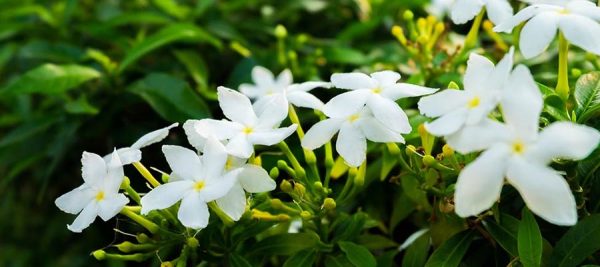
Characteristics:
- Color: White
- Fragrance: Strong and sweet, with a hint of citrus
- Growing Conditions: Prefers full sun to partial shade and well-drained soil
- Blooming Season: Summer to early fall
Common jasmine is a vigorous climber, perfect for trellises, fences, or even as a ground cover. It’s relatively easy to grow and thrives in most temperate climates. Its fragrant flowers are ideal for attracting pollinators like bees and butterflies, making it an excellent choice for wildlife-friendly gardens.
ये भी पढ़ें:तुलसी को करो 2 रू में बरगद जैसा हरा भरा घना
The Vibrant Yellow Jasmine: Jasminum nudiflorum (Winter Jasmine)
Unlike its white counterparts, Jasminum nudiflorum offers a splash of bright yellow in the winter months when most plants are dormant. This jasmine variety is native to China and is known for its hardiness and vibrant blooms that brighten up cold, gray days.
Characteristics:
- Color: Yellow
- Fragrance: Light, sweet scent
- Growing Conditions: Full sun to partial shade; well-drained soil
- Blooming Season: Winter to early spring
Winter jasmine is a deciduous shrub that can grow up to 3 feet high and spread up to 6 feet wide. It’s perfect for adding color to your winter landscape, and its compact size makes it suitable for smaller gardens or container planting. Its delicate yellow flowers, though less fragrant than other varieties, are cheerful and refreshing.
ये भी पढ़ें:गुड़हल के पौधे में फूलों की होगी बहार, मानसून की शुरुआत में करें ये काम
The Exotic Pink Jasmine: Jasminum polyanthum (Pink Jasmine)
If you’re looking for a jasmine variety with a hint of pink, Jasminum polyanthum is the answer. This fragrant climber is native to China and is known for its soft pinkish-white blooms and intoxicating scent, which is often described as more intense and robust than that of other jasmine species.
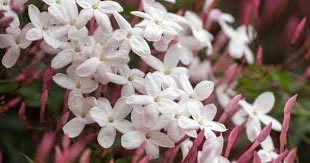
Characteristics:
- Color: Light pink to white
- Fragrance: Strong, sweet, and floral
- Growing Conditions: Full sun to partial shade; well-drained, rich soil
- Blooming Season: Late winter to early spring
Pink jasmine is a fast-growing, woody vine that can reach heights of up to 15 feet, making it an excellent choice for trellises, arbors, or pergolas. It’s also a great plant for covering fences or walls, as its sprawling growth habit quickly creates a lush, fragrant display. Due to its vigorous growth, occasional pruning is recommended to keep it in check.
The Sweet-Scented Yellow Jasmine: Jasminum sambac (Arabian Jasmine)
Known for its rich fragrance and historical significance in various cultures, Jasminum sambac is a variety of jasmine that produces small, white flowers, but its most notable trait is its delicate yellow counterpart. Commonly referred to as “Arabian Jasmine,” this species is revered for its sweet, heady fragrance that’s often used in perfumes and traditional teas.
Characteristics:
- Color: White to light yellow
- Fragrance: Strong, floral, and sweet
- Growing Conditions: Full sun; prefers well-drained, slightly acidic soil
- Blooming Season: Summer to fall
This variety is especially popular in Southeast Asia, often used in religious ceremonies, garlands, and cultural rituals. Jasminum sambac is a shrub that grows 3 to 5 feet tall, making it a perfect plant for small garden spaces, containers, or as an indoor potted plant. Its scent is so fragrant that a few blossoms can fill an entire room with fragrance.
ये भी पढ़ें:यह खाद डालते ही मोगरे में खिलेंगे अनगिनत फूल और कलियाँ
The Dwarf Jasmine: Jasminum humile (Italian Jasmine)
If you’re looking for a compact and low-maintenance jasmine variety, the Jasminum humile, or Italian Jasmine, is a great option. Known for its beautiful yellow flowers, this jasmine can be grown as a ground cover or in containers, making it perfect for patios, balconies, or small gardens.
Characteristics:
- Color: Yellow
- Fragrance: Sweet and floral, though less intense than other varieties
- Growing Conditions: Full sun to partial shade; well-drained soil
- Blooming Season: Summer to fall
The Italian jasmine is a small, bushy plant that typically grows between 1 to 3 feet tall and 2 to 4 feet wide. It’s great for adding a pop of color to the landscape and is often used in decorative containers or hanging baskets. Despite its small size, it still produces an impressive number of blooms that attract pollinators.
The Bold Star Jasmine: Trachelospermum jasminoides (Star Jasmine)
Though not technically a true jasmine (it belongs to the Apocynaceae family), the Star Jasmine is often grouped with jasmine plants due to its striking white, star-shaped flowers and sweet fragrance. Trachelospermum jasminoides is a hardy, evergreen climber that adds year-round interest to gardens with its glossy green leaves and fragrant white blooms.
Characteristics:
- Color: White
- Fragrance: Sweet and floral
- Growing Conditions: Full sun to partial shade; well-drained soil
- Blooming Season: Spring to summer
Star jasmine is ideal for covering walls, fences, or trellises and can be grown as a ground cover. Its fragrant flowers make it a popular choice for creating aromatic outdoor spaces, and it’s known for its resilience in a variety of climates.
ये भी पढ़ें:भारत में सबसे तेजी से बढ़ने वाले पेड़: गतिशीलता और प्रकृति का चमत्कार
Conclusion
Jasmine flowers come in many colors, from the classic white to the sunny yellow and even hints of pink, each offering its own unique charm. Whether you prefer the intoxicating fragrance of the Jasminum officinale or the cheerful yellow blooms of Jasminum nudiflorum, there’s a jasmine variety to suit every gardener’s needs and every landscape. From their beauty and versatility to their rich cultural significance, jasmine flowers continue to be beloved across the world, evoking a sense of peace, beauty, and fragrance wherever they bloom.
No matter which variety you choose, jasmine will surely bring an aromatic and visually stunning addition to your garden. Happy gardening!