Blogs
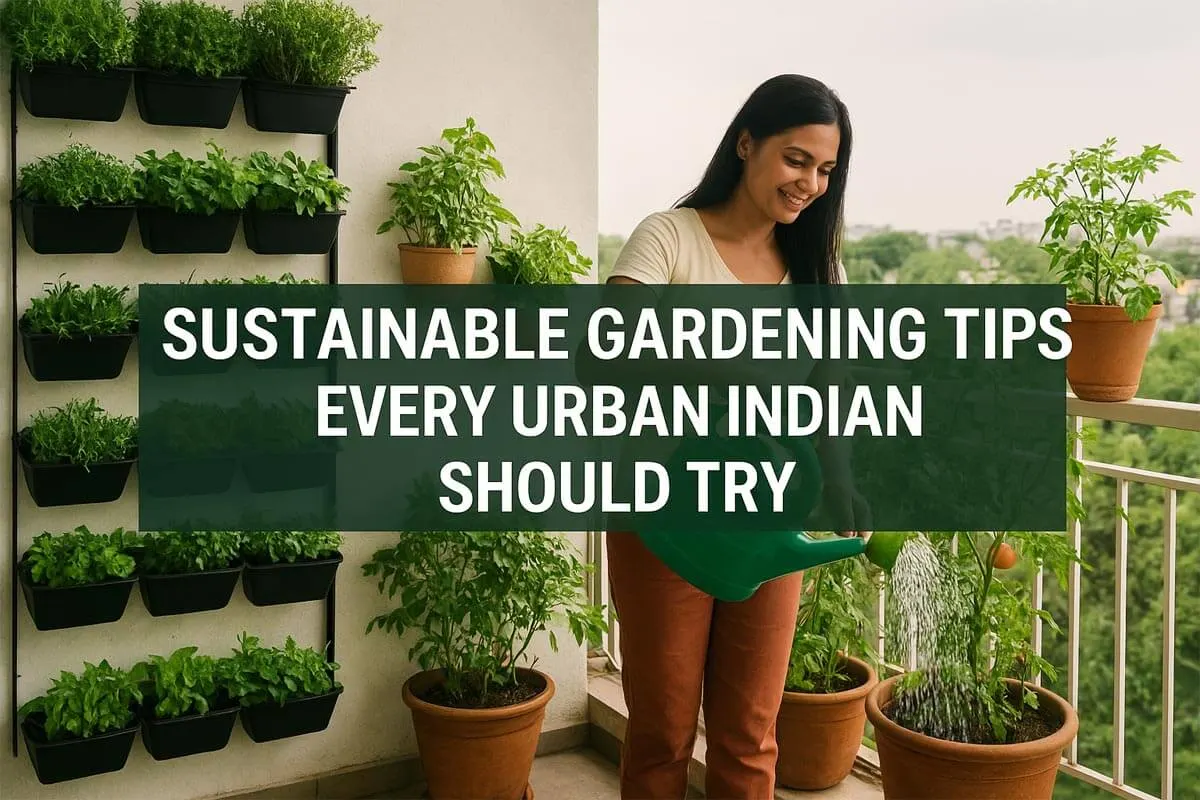
Sustainable Gardening Tips Every Urban Indian Should Try
In India’s fast-paced urban lifestyle, green spaces are shrinking, but our love for plants and gardening continues to grow. Whether it’s a small balcony, terrace, or even a few pots on the windowsill, city dwellers are finding ways to connect with nature. But the real challenge is to garden sustainably—without wasting water, harming the soil, or depending heavily on chemicals.
Sustainable gardening is not just about growing plants; it’s about creating a self-sufficient, eco-friendly green space that benefits your home and the planet. If you live in an Indian city, these practical tips will help you make your garden both beautiful and sustainable.
1. Start with Native and Low-Maintenance Plants
Urban gardening often means limited time and resources. Choosing native Indian plants—like Tulsi, Hibiscus, Marigold, or Curry Leaf—not only makes your garden easy to maintain but also ensures they thrive in your local climate. Native plants require:
- Less water
- Minimal fertilizers
- Greater resistance to pests
👉 If you’re a beginner, start with snake plant, areca palm, or money plant—they’re hardy and perfect for apartments.
2. Grow Your Own Food in Containers
With rising vegetable prices and pesticide concerns, kitchen gardening is becoming very popular. Even in small balconies, you can grow:
Use recycled containers, buckets, or even old bottles as planters. Not only will you eat fresh, but you’ll also cut down your dependency on market produce.
3. Save Water with Smart Irrigation
Water scarcity is a big issue in Indian cities. Sustainable gardening means using every drop wisely.
- Install a drip irrigation system for pots.
- Collect rainwater in buckets for later use.
- Reuse RO waste water for non-edible plants.
- Water plants in the early morning or evening to reduce evaporation.
This way, you can maintain a green garden without increasing your water bill.
Also Read This :Things to Keep in Mind While Buying Plants from a Nursery
4. Turn Kitchen Waste into Compost
Instead of throwing away vegetable peels, tea leaves, and fruit scraps, turn them into organic compost. You don’t need a big space—just a small compost bin or bucket will do.
Benefits of composting:
- Reduces household waste
- Provides free organic fertilizer
- Improves soil health naturally
👉 For a quick start, you can buy a home composting kit available online or from local nurseries.
5. Use Eco-Friendly Fertilizers and Pest Control
Say goodbye to chemical fertilizers and pesticides. They may give quick results, but they harm the environment and soil. Instead, try these natural solutions:
- Neem oil spray for pests
- Buttermilk spray for fungal infections
- Banana peel fertilizer for potassium
- Epsom salt water for magnesium
These DIY methods are safe, cost-effective, and plant-friendly.
6. Vertical Gardening for Small Spaces
Urban Indian homes often lack open spaces, but you can still garden by going vertical. Create:
- Wall-mounted planters
- Hanging baskets
- Stair-step racks for pots
This not only saves space but also beautifies your balcony or terrace. You can even grow herbs, leafy greens, and flowers vertically.
7. Reuse, Recycle, and Upcycle
Sustainable gardening means reducing waste at every step. Get creative by reusing household items as planters:
- Old buckets, jars, or paint cans
- Broken mugs or bottles
- Wooden crates or baskets
Not only is it budget-friendly, but it also gives your garden a unique charm.
Also Read This :Grow Your Own Garden: Best Fruit Plants for Beginners
8. Attract Pollinators and Support Biodiversity
A sustainable garden is not just for humans—it should also support nature. Grow pollinator-friendly flowers like marigold, jasmine, and sunflower to attract bees and butterflies. This improves pollination and makes your garden come alive with biodiversity.
9. Go Chemical-Free and Think Long-Term
Sustainability is about making choices that will benefit both you and future generations. Avoid synthetic chemicals, save water, and nurture soil health. Remember: a garden built on eco-friendly practices will stay healthy for years without extra effort.
Quick Reference: Sustainable Gardening Practices for Urban Indians
| Practice | How to Do It | Benefits |
|---|---|---|
| Rainwater Harvesting | Install a simple drum or tank to collect balcony/terrace rainwater. | Saves water, reduces bills. |
| Composting Kitchen Waste | Use a compost bin for peels, leftovers, and garden waste. | Reduces waste, improves soil fertility. |
| Vertical Gardening | Grow plants in wall-mounted planters or hanging pots. | Saves space, purifies indoor air. |
| Native Plants | Choose species like Tulsi, Hibiscus, Curry Leaf. | Low maintenance, suited to climate. |
| DIY Natural Fertilizers | Use banana peel, rice water, or buttermilk as feed. | Organic boost, eco-friendly. |
| Smart Irrigation | Use drip irrigation or self-watering pots. | Prevents overwatering, saves time. |
Tip: Start small—pick two practices from the list above and add more as you get comfortable.
Conclusion
Sustainable gardening is the need of the hour for every urban Indian. By making small changes—like composting kitchen waste, saving water, choosing native plants, and reusing household items—you can create a garden that’s not just beautiful but also eco-friendly.
Gardening is no longer just a hobby; it’s a step towards healing the planet from our homes. So, the next time you water your plants or plant a new seedling, remember—you’re contributing to a greener India. 🌱
Also Read This :Air Pots vs. Fabric Pots: Which Is Best for Indian Gardeners?
FAQs
Q1: Can I practice sustainable gardening in a very small balcony?
Yes! Vertical gardening, container plants, and microgreens are perfect for small spaces.
Q2: How can I make compost without smell?
Keep a balance of wet waste (peels, scraps) and dry waste (leaves, paper) and aerate regularly to avoid odor.
Q3: Which are the best low-maintenance plants for Indian homes?
Money plant, snake plant, tulsi, aloe vera, and curry leaf are hardy and perfect for beginners.
Q4: Is rainwater harvesting useful for balcony gardens?
Absolutely. Collecting rainwater in buckets can save a significant amount of tap water and is healthier for plants.
Q5: Why should I avoid chemical fertilizers in home gardening?
They degrade soil health over time, harm pollinators, and contaminate your food. Organic alternatives are safer and sustainable.