Blogs
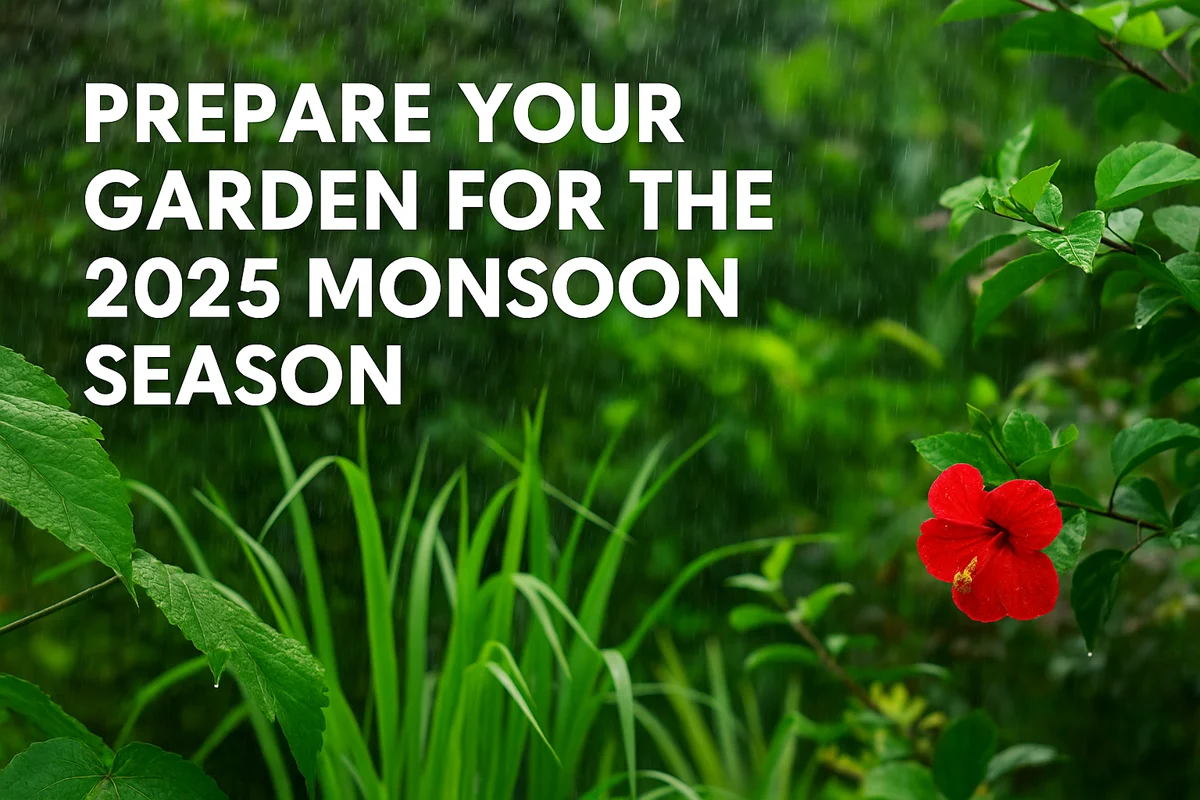
How to Prepare Your Garden for the 2025 Monsoon Season
As the 2025 monsoon season approaches, gardeners across India are eagerly anticipating the lush greenery, blooming flowers, and refreshing rain showers. However, while rain nourishes plants, it also brings challenges like fungal diseases, waterlogging, and pest outbreaks.
Preparing your garden for the monsoon is crucial to ensure your plants not only survive but thrive. This comprehensive guide covers everything from soil preparation to plant selection and pest management, helping you enjoy a vibrant and resilient garden throughout the rainy season.
1. Improve Drainage for Healthy Roots
Excessive rain can lead to waterlogged soil, which suffocates plant roots and causes rot. Ensure your garden has good drainage by:
- Raising garden beds: Elevate beds with compost and sand for better runoff.
- Using porous containers: Terracotta pots and grow bags help excess water escape.
- Clearing blocked drains: Check for clogs in garden outlets and pipes.
Tip: Mix coarse sand or cocopeat in your soil to improve aeration and drainage.
2. Enrich Your Soil with Organic Matter
Heavy rain tends to leach nutrients from the soil. Before the monsoon begins:
- Add compost or well-rotted manure to enrich the soil.
- Use organic mulch like dry leaves, straw, or wood chips to retain moisture and prevent erosion.
- Apply neem cake powder to improve soil health and keep pests away.
✅ Healthy soil = Healthy plants.
Also Read This :7 Best Plants for Monsoon Gardening in 2025
3. Choose Monsoon-Friendly Plants
Some plants flourish in humid, rainy conditions. Consider adding these to your garden in 2025:
- Tulsi (Holy Basil) – Sacred and medicinal
- Lemongrass – Fragrant and mosquito-repelling
- Ginger and Turmeric – Edible and great for the kitchen
- Rain Lily – Blooms beautifully after showers
- Coleus – Adds color and thrives in wet soil
🌼 Don’t forget native plants—they’re naturally adapted to local rain patterns.
4. Control Pests and Fungal Infections
Monsoons often lead to:
- Powdery mildew
- Leaf spot
- Root rot
- Snails and slugs
Here’s how to protect your garden:
- Spray neem oil weekly as a natural pesticide.
- Use fungicide sprays like copper-based solutions sparingly.
- Remove dead leaves quickly to avoid fungal spread.
- Place beer traps or eggshells to deter snails.
🧴 DIY spray: Mix 1 tsp baking soda + 1 tsp neem oil + water = natural anti-fungal spray.
Also Read This :Gardening Trends for Small Spaces in 2025: New Ideas for Balcony and Terrace Gardening
5. Re-pot and Prune Before the Rain Hits
Prepare your plants by:
- Pruning weak branches to prevent breakage.
- Re-potting overgrown plants to improve drainage and growth.
- Staking tall plants to prevent wind damage.
Monsoon is also a great time to propagate from cuttings due to high humidity levels.
6. Protect Indoor and Balcony Gardens
If you garden on a balcony or terrace:
- Move plants under shade nets or awnings.
- Ensure balcony drains are unclogged.
- Use saucers sparingly to avoid standing water.
- Rotate pots so all plants get equal airflow and light.
For indoor plants, ensure:
- Good ventilation
- Avoid overwatering
- Use well-drained potting mix
Also Read This :6 Long-Lasting Perennial Plants to Beautify Your Garden in 2025
7. Mulch, Mulch, Mulch
Mulching is your monsoon MVP:
- Retains soil nutrients
- Prevents weed growth
- Keeps soil temperature stable
Use organic mulch like:
- Dried leaves
- Coconut husk
- Rice husk
- Sugarcane bagasse
🌧️ It mimics nature’s forest floor – perfect for monsoon protection.
8. Create a Monsoon Garden Routine
Sticking to a routine ensures your plants remain healthy:
| Task | Frequency |
| Check for pests | Every 2 days |
| Remove yellow leaves | Weekly |
| Loosen soil | After every heavy rain |
| Reapply mulch | Every 2 weeks |
| Spray neem oil | Once a week |
Set reminders on your phone to stay consistent.
Also Read This :How to Keep Your Plants Healthy During the Monsoon Season: Tips Every Gardener Should Know
9. Rainwater Harvesting for Sustainability
Rain is free and nutrient-rich — why not save it?
- Use barrels to collect rainwater from roofs.
- Install rain chains to direct water to garden beds.
- Store water in tanks for use during dry spells.
♻️ Saves water and reduces dependency on municipal sources.
10. Enjoy the Monsoon Vibes!
Gardening during the monsoon can be therapeutic. Add a cozy chair, warm lights, and aromatic herbs to turn your space into a rainy retreat.
Don’t forget to:
- Take photos of your garden before and after the rains.
- Share your plant stories on Instagram or gardening groups.
- Keep a journal of what worked best in 2025.
11. Try DIY Organic Fertilizers for Monsoon
Chemical fertilizers may wash away easily in the rain, while organic options nourish the soil naturally:
- Banana Peel Fertilizer – Rich in potassium and phosphorus
- Compost Tea – Boosts microbial activity
- Epsom Salt + Water – Enhances leaf color and magnesium levels
🌿 Pro Tip: Cow dung slurry is also a powerful monsoon nutrient booster.
14. Create a Rain-Smart Garden Layout
- Design your garden to make the most of monsoon moisture:
- Place moisture-loving plants in low-lying areas
- Grow shade-loving plants under awnings or trees
- Separate flowering and edible plants to optimize nutrients
🧭 Proper layout ensures good airflow, less fungal growth, and better yields.
Frequently Asked Questions (FAQs)
1. What is the best time to start monsoon garden preparation in India?
Start preparing your garden 2–3 weeks before monsoon onset, usually in late May or early June.
2. Can I grow vegetables during the rainy season?
Yes! Try okra, spinach, chillies, and gourds. Use raised beds or containers for better drainage.
3. How often should I water during monsoon?
Water only when the soil feels dry 2 inches deep. Avoid overwatering during rains.
4. Are chemical fertilizers safe during monsoon?
Organic fertilizers are safer. Chemical fertilizers can wash away or damage wet roots.