Blogs

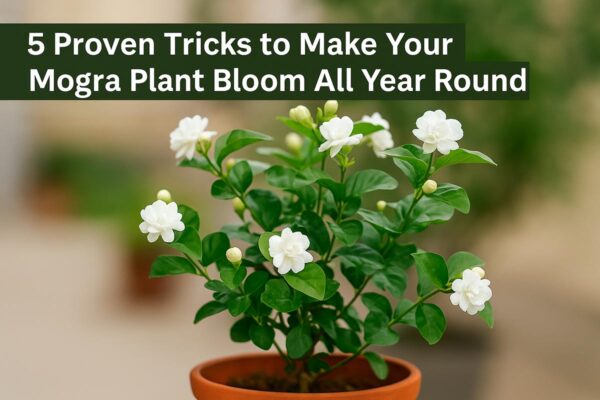
5 Proven Tricks to Make Your Mogra Plant Bloom All Year Round
Mogra, also known as Arabian Jasmine, is cherished for its intoxicating fragrance and elegant white blooms. A common sight in Indian households, this plant is not just beautiful but also culturally significant. However, one of the most common issues plant lovers face is irregular blooming or limited flowering seasons. If your mogra plant is healthy but refuses to bloom consistently, you’re not alone.
In this guide, you’ll learn 5 proven tricks to make your mogra plant bloom all year round. Whether you grow it in a pot, garden bed, or balcony, these tips will ensure your jasmine is always in full glory.

1. Prune Regularly and Smartly
Pruning is essential for keeping your mogra plant in shape and encouraging flower production.
- Why Prune? Old branches stop blooming over time. Pruning redirects energy to new growth, which is more likely to produce flowers.
- When to Prune: After a major blooming cycle or in early spring. Avoid pruning during the peak flowering period.
- How to Prune: Use clean, sharp shears to remove dead, weak, or overgrown stems. Trim about 1/3 of the plant to promote bushy growth.
Pro Tip: Always prune just above a leaf node for best results.
2. Provide Adequate Sunlight
Mogra is a sun-loving plant that thrives in bright conditions.
- Sunlight Requirement: 5–6 hours of direct sunlight daily.
- Where to Place: South or west-facing balconies, terraces, or open gardens are ideal.
- Indoor Tip: If keeping indoors, place it near a south-facing window or supplement with grow lights.
Lack of sunlight leads to leggy growth and fewer or no blooms. If your plant is only growing leaves, insufficient light could be the cause.
Also Read This :How to Grow Mogra Flower from Cuttings at Home
3. Feed the Plant with Flower-Boosting Fertilizers
Nutrient deficiency is a leading reason for reduced flowering.
- Use Phosphorus-Rich Fertilizers: Fertilizers high in phosphorus (like bone meal or organic bloom boosters) promote bud formation.
- Homemade Alternatives: Crushed banana peels, ash, or compost tea can be effective.
- Frequency: Feed every 15–20 days during the growing season (spring to early fall).
Avoid Excess Nitrogen: This causes leafy growth but inhibits flowering.
4. Water Wisely
Overwatering or underwatering can both hinder flower production.
- Check Soil Moisture: Water only when the top inch of soil feels dry.
- Morning Routine: Water early in the day to reduce evaporation and fungal growth.
- Drainage: Ensure the pot or garden bed has proper drainage to avoid root rot.
Pro Tip: During winter, reduce watering as the plant’s growth slows down.
Also Read This :यह खाद डालते ही मोगरे में खिलेंगे अनगिनत फूल और कलियाँ
5. Encourage Dormancy in Winter
Many gardeners forget that plants need rest to bloom again.
- Reduce Watering & Feeding: Allow the plant to semi-dormant during late fall and winter.
- Minimal Pruning: Let the plant conserve energy.
- Sunlight Still Matters: Keep it in a bright area even if it’s not blooming.
Once spring arrives, resume fertilizing, watering, and pruning gradually. You’ll notice a surge in growth and blooms.
Bonus Tips for Continuous Blooms:
- Deadheading: Remove spent flowers regularly to encourage more blooms.
- Mulching: Use organic mulch to retain moisture and regulate temperature.
- Pest Watch: Look out for aphids, spider mites, or whiteflies. Use neem oil or insecticidal soap as needed.
- Repot Every 2–3 Years: Mogra thrives when roots have room. Refresh the soil and upgrade the pot if it seems root-bound.
Also Read This :Enhance Your Mogra Plant with This Kitchen Staple for Beautiful Flowers
Common Problems and Solutions:
| Problem | Reason | Solution |
|---|---|---|
| Lots of Leaves, No Flowers | Too much nitrogen or low sunlight | Use phosphorus-rich fertilizer, more sun |
| Yellowing Leaves | Overwatering or nutrient imbalance | Improve drainage, balanced feeding |
| Drooping Plant | Poor soil or root rot | Repot with fresh, well-drained soil |
| Stunted Growth | Pest infestation or poor nutrition | Check for bugs, add compost |
FAQs – Mogra Blooming Tips
Q1. Why is my mogra plant not flowering?
A lack of sunlight, excessive nitrogen, or poor pruning are common reasons. Ensure your plant gets 5–6 hours of sun and use phosphorus-rich fertilizers.
Q2. Can I grow mogra indoors?
Yes, but it must be placed near a bright window with direct sunlight for several hours. Indoor mogra may bloom less frequently.
Q3. How often should I water the mogra plant?
Water only when the top inch of soil feels dry. Avoid overwatering, especially in winter.
Q4. Which fertilizer is best for mogra?
Use bone meal, compost, banana peel powder, or any organic bloom booster with higher phosphorus content.
Q5. When should I prune the mogra plant?
Prune after a major bloom cycle or early spring to encourage bushy growth and more flowers.
Conclusion
Mogra is a forgiving and rewarding plant when given the right care. With these five proven tricks, you can turn your jasmine plant into a year-round bloom factory. Whether you’re growing for beauty, fragrance, or tradition, a flourishing mogra plant brings immense joy and elegance to any space.
So go ahead, apply these tips and watch your mogra burst into fragrant blooms every season!