Blogs
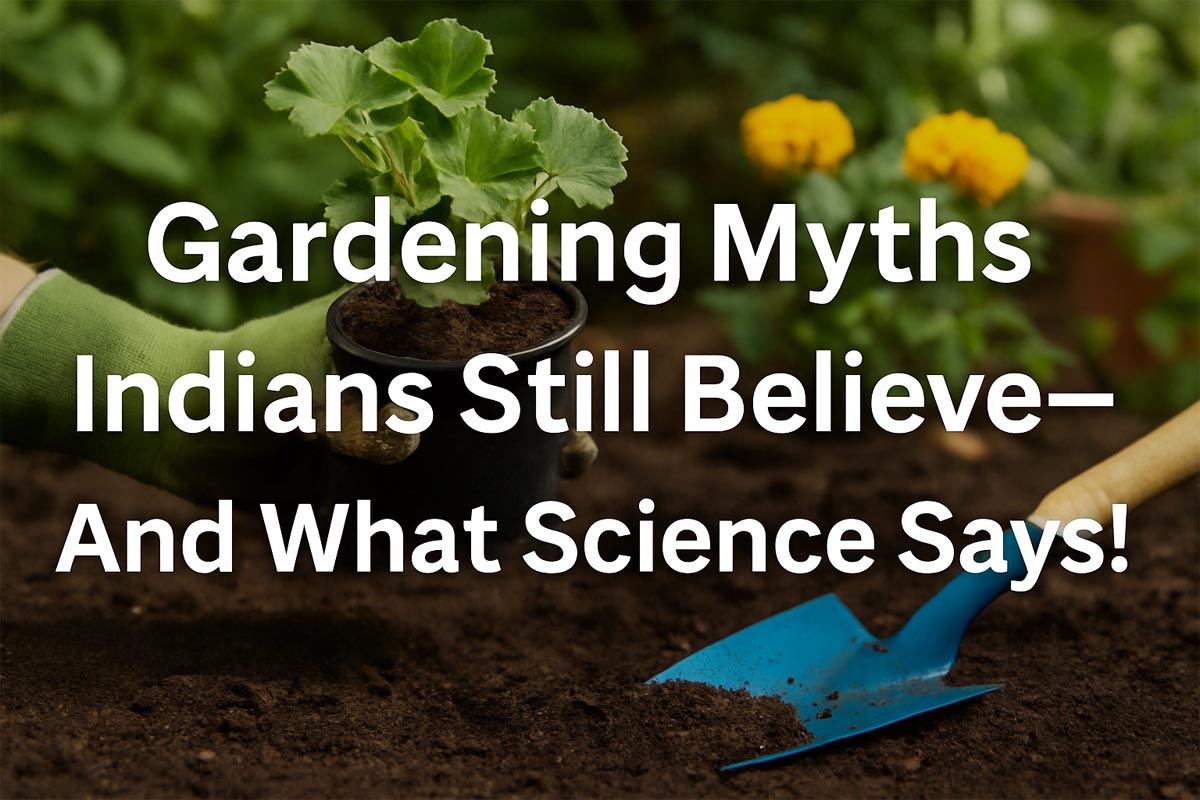
Gardening Myths Indians Still Believe – And What Science Says!
Introduction: Are Your Plants Suffering Because of Myths?
Gardening in India is full of traditions, rituals, and age-old advice passed down from our grandparents. From saying “don’t water plants after sunset” to “iron nails can make plants greener,” these beliefs have been around for decades.
But in 2025, when science and technology are revolutionizing agriculture and home gardening, it’s time to ask: Are these myths helping or hurting our plants?
In this blog, we’ll uncover 10 popular gardening myths Indians still believe and reveal what modern plant science says about them. Get ready for some eye-opening truths!
1. Myth: You Shouldn’t Water Plants After Sunset
The Belief: Watering at night invites pests or kills plants due to root rot.
What Science Says:
While it’s true that water stays longer in the soil at night, watering after sunset is not harmful if done properly. In fact, during hot summer days, watering in the evening helps reduce evaporation.
Pro Tip: Avoid overwatering; ensure your pots have good drainage.
2. Myth: Adding Iron Nails to Soil Makes Plants Greener
The Belief: Rusty iron nails release nutrients and make leaves green.
What Science Says:
While plants do need iron, rusty nails release iron oxide too slowly to benefit plants significantly. A better solution is to use iron chelate fertilizer or natural remedies like diluted buttermilk or compost rich in micronutrients.
3. Myth: Talking or Singing to Plants Helps Them Grow
The Belief: Plants grow better when you talk or sing to them.
What Science Says:
There is some truth here! Studies show that sound vibrations can influence plant growth, but it’s not your words—it’s the sound frequency that stimulates certain cellular responses.
Pro Tip: If singing makes you happy, keep doing it—it creates positive energy for both you and your plants!
Also Read This :How to Grow Bael Patra Plant from Cuttings – Easy Home Gardening Guide
4. Myth: Small Pots Stunt Plant Growth
The Belief: Plants won’t grow big if the pot is small.
What Science Says:
While pot size affects root space, some plants grow better in slightly compact pots (like succulents and herbs). It’s not the pot alone—it’s also the soil, watering, and nutrients that matter.
5. Myth: Cutting Branches Hurts the Plant
The Belief: Pruning harms the plant and stops it from growing.
What Science Says:
Pruning actually encourages new growth by redirecting energy to healthy branches. It also improves airflow, which helps prevent pests and diseases.
Pro Tip: Prune during the growing season using clean tools.
6. Myth: Plants Don’t Need Fertilizer If You Use Compost
The Belief: Organic compost alone is enough for plant health.
What Science Says:
While compost is great for improving soil structure, it doesn’t always have enough nutrients like nitrogen or potassium. A mix of compost + organic fertilizers (like vermicompost) is ideal for balanced growth.
Also Read This :Horticulture vs Agriculture: What’s the Real Difference and Why It Matters for Home Gardeners?
7. Myth: Overwatering Means Better Growth
The Belief: More water = healthier plants.
What Science Says:
Overwatering suffocates roots by cutting off oxygen supply, causing root rot. Most houseplants prefer slightly dry soil between waterings. Always check soil moisture before watering.
8. Myth: Banana Peels and Kitchen Waste Directly Boost Plant Growth
The Belief: Throwing banana peels and scraps directly into pots gives instant nutrition.
What Science Says:
Raw kitchen waste attracts pests and takes time to decompose. Instead, compost the peels first and then use the nutrient-rich compost for your plants.
9. Myth: Shade-Loving Plants Don’t Need Sunlight
The Belief: Shade plants grow perfectly fine in dark corners.
What Science Says:
Even shade-loving plants like ferns need indirect sunlight to photosynthesize. Keeping them in complete darkness will stunt their growth.
10. Myth: Succulents Don’t Need Any Water
The Belief: Succulents survive without watering for months.
What Science Says:
While succulents are drought-resistant, they still need occasional watering (once every 2–3 weeks). Without it, their leaves shrivel and lose nutrients.
Also Read This :Brahma Kamal in Mythology and Medicine – Secrets of India’s Rare Sacred Flower
Why Do These Myths Still Exist?
- Passed down from older generations when scientific gardening methods were not widely known.
- Some myths have a small element of truth but get exaggerated over time.
- People prefer traditional practices over modern advice because they feel “natural.”
Science-Backed Gardening Tips for 2025
- Use soil testing kits to know the exact needs of your plants.
- Follow the “soak and dry” method for watering houseplants.
- Use vermicompost and natural fertilizers for a nutrient boost.
- Prune regularly to keep plants healthy and disease-free.
- Learn about companion planting to naturally repel pests.
Conclusion: Let Science Guide Your Green Thumb
Indian gardening traditions are beautiful and full of wisdom, but not all of them hold true in the modern world. By understanding what science says about these myths, you can take better care of your plants and avoid common mistakes.
In 2025, let’s combine the best of traditional wisdom and modern gardening science to create greener homes and healthier plants!
Also Read This :Why Brides and Gods Adore Mogra – The Sacred Story of India’s Favorite Flower
FAQs: Busting More Gardening Myths
Q1. Does adding sugar to soil help plants grow faster?
No. Sugar in soil encourages fungus and pests rather than plant growth.
Q2. Should I always use filtered water for plants?
Not necessary. Most plants do fine with tap water unless it’s extremely hard.
Q3. Can I use leftover tea and coffee directly in pots?
It’s better to compost them first, as raw tea/coffee can alter soil pH.
Q4. Is planting during full moon really better?
There is no scientific proof, though some gardeners follow lunar gardening traditions.
Q5. Should I water plants every day?
No. Watering depends on plant type, weather, and soil. Overwatering is harmful.