Blogs
Exploring the Distinctions Between Compost, Mulch and Fertilizer
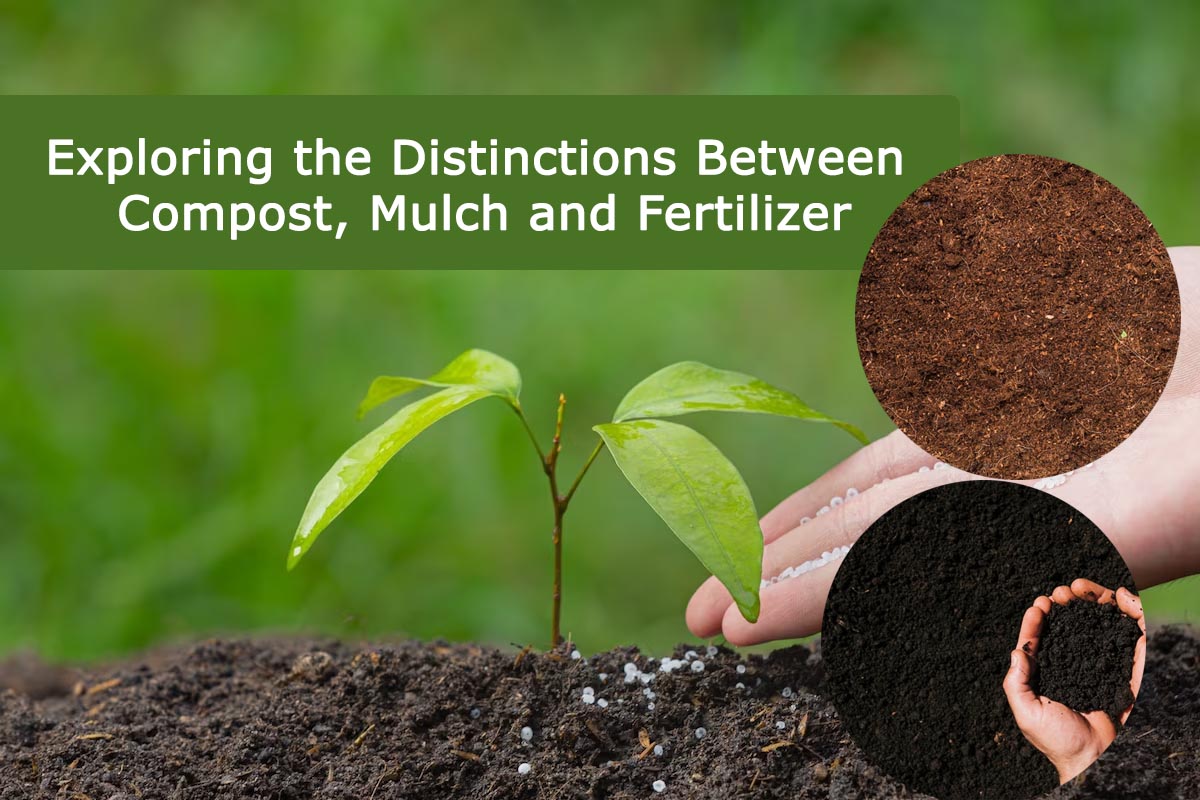
Understanding the roles and differences of various soil amendments is crucial for healthy plant growth and a thriving garden. Three standard terms that often cause confusion among gardeners are compost, mulch, and fertilizer. While they all play vital roles in nurturing your plants, they have distinct characteristics and functions. In this blog post, we will delve into the differences between compost, mulch, and fertilizer, helping you better understand how each contributes to your garden’s success.
What is Compost
Compost is a dark, crumbly substance resulting from decomposed organic matter. It is often called “black gold” in gardening circles due to its rich nutrient content and ability to improve soil structure. Compost is made by combining a mix of kitchen scraps, yard waste, and other organic materials, which are then allowed to break down naturally over time.
Also Read This :Guide to Utilizing Rooting Powder in Plant Propagation
Benefits of Compost
Enriches Soil
Compost is a treasure trove of essential nutrients that enrich the soil, improving its structure, texture, and overall health. It enhances moisture retention, aeration, and nutrient availability, creating an ideal environment for plant growth.
Boosts Plant Health
When incorporated into the soil, compost introduces beneficial microorganisms that aid in suppressing harmful pathogens and promoting robust plant growth. It acts as a natural plant probiotic, fortifying their defences and reducing the need for chemical interventions.
Also Read This :Nurturing Succulents: A Comprehensive Guide to Watering
Enhances Nutrient Cycling
Compost serves as a reservoir of essential macro and micronutrients, releasing them slowly over time. This promotes a balanced nutrient cycle, ensuring sustained nourishment for your plants throughout their growth stages.
Improves Soil Structure
Compost enhances its drainage capabilities by improving soil structure, preventing waterlogging and promoting root development. It also mitigates erosion and compaction issues, fostering a healthy and resilient soil ecosystem.
Also Read This :Exploring the Significance of Popular Succulent Plants in Your Garden
Environmental Sustainability
Composting reduces the amount of organic waste sent to landfills, mitigating greenhouse gas emissions and contributing to a more sustainable future. It aligns with the principles of recycling and conservation, positively impacting the environment.
Critical Characteristics of Compost Include
Nutrient-rich
Compost contains essential nutrients like nitrogen, phosphorus, and potassium, along with a host of micronutrients that are vital for plant growth.
Soil conditioner
Compost improves soil structure, enhances water retention, and promotes beneficial microbial activity, creating a healthy plant environment.
Slow-release nutrients
The nutrients in compost are released slowly over time, providing a steady and balanced supply to plants.
Also Read This :Embracing Green Gifting: Why It’s Becoming the New Normal
Utilizing Compost in Your Garden
Discover practical ways to incorporate compost into your garden routine. From top-dressing garden beds and mixing them into potting soil to creating compost tea or using it as a mulch, various applications can maximize its benefits and help your plants flourish.
What is Mulch?
Mulch is a protective layer of material spread over the soil surface around plants. It is a natural cover, providing many benefits to plants and the surrounding environment. Mulch can be made from various organic and inorganic materials, and its primary purpose is to conserve moisture, suppress weeds, moderate soil temperature, and enhance overall soil health.
Also Read This :Rainy Season Flower Power: Colorful Blooms in Wet Weather
Types of Mulch
Mulch comes in different forms, each with its characteristics and suitability for specific gardening needs. Let’s take a look at some common types of mulch:
Organic Mulch
This mulch is derived from natural materials such as straw, wood chips, bark, leaves, grass clippings, and compost. Organic mulch decomposes over time, adding organic matter to the soil, improving its structure, and enriching nutrient content.
Inorganic Mulch
Inorganic mulch includes gravel, rocks, pebbles, and landscape fabric. Unlike organic mulch, inorganic mulch does not break down but provides long-lasting weed suppression and soil moisture retention.
Living Mulch
Living mulch refers to low-growing plants intentionally cultivated to cover the soil surface. Examples include clover, creeping thyme, or groundcover plants. Living mulch helps prevent erosion, suppress weeds, and promote biodiversity.
Also Read This :Water-Wise Gardening: How to Conserve Water in Your Garden
Benefits of Mulching
Now that we understand what mulch is and the various types available let’s explore the numerous benefits it offers:
Moisture Conservation
Mulch is a protective barrier, reducing evaporation and water runoff. Conserving moisture in the soil helps plants maintain adequate hydration, reducing the need for frequent watering.
Weed Suppression
Mulch acts as a natural weed barrier, smothering weed growth by blocking sunlight and preventing weed seeds from germinating. This reduces the competition for nutrients and ensures that your plants receive all the essential resources they need to thrive.
Temperature Regulation
Mulch acts as an insulating layer, moderating soil temperature by keeping it cooler in hot weather and warmer in colder seasons. This creates a more stable environment for plant roots, protecting them from extreme temperature fluctuations.
Soil Health Enhancement
As organic mulch breaks down, it enriches the soil by improving its structure, promoting microbial activity, and increasing nutrient availability. This leads to healthier and more fertile soil, supporting vigorous plant growth.
Also Read This :Tree Branching Out: A Comprehensive Guide to Growing Trees from Twigs
Critical characteristics of mulch include
Moisture retention
Mulch helps retain soil moisture by reducing evaporation, preventing the soil from drying out too quickly.
Temperature regulation
By insulating the soil, mulch helps regulate soil temperature, keeping it cooler in hot weather and warmer during colder periods.
Weed suppression
A layer of mulch prevents sunlight from reaching weed seeds, thus inhibiting their germination and growth.
Soil erosion control
Mulch acts as a protective barrier against heavy rain and wind, reducing the risk of soil erosion.
Also Read This :Exploring the Majestic Big Leaf Plants of India
What is Fertilizer?
A fertilizer is a substance or a mixture of substances that supplies essential nutrients to plants, promoting healthy growth and development. These nutrients, such as nitrogen (N), phosphorus (P), and potassium (K), are vital for plants’ overall well-being, as they play critical roles in various biological processes. Fertilizers come in different forms, including granular, liquid, and organic, each with advantages and specific applications.
Types of Fertilizers
Inorganic Fertilizers
These are synthetic fertilizers manufactured through chemical processes. They contain specific ratios of nutrients and are readily available for plant uptake. Inorganic fertilizers are usually quick-release, providing immediate nourishment to plants.
Organic Fertilizers
Derived from natural sources such as compost, manure, or bone meal, organic fertilizers enhance soil health and fertility over time. They release nutrients gradually, promoting long-term soil sustainability. Organic fertilizers are an excellent choice for those seeking environmentally friendly gardening practices.
Slow-Release Fertilizers
These fertilizers are designed to release nutrients gradually over an extended period. They ensure a steady supply of nourishment to plants, reducing the risk of nutrient leaching and minimizing the need for frequent applications.
Also Read This :Coco Peat Gardening: Discover the Best Plants to Thrive in this Growing Medium
Critical characteristics of fertilizer include
Targeted nutrition
Fertilizers are designed to deliver specific nutrients that may be lacking in the soil, helping to address deficiencies and promote healthy plant growth..
Rapid nutrient availability
Unlike compost, which releases nutrients slowly, fertilizers provide an immediate nutrient boost to plants, ensuring they receive the required elements promptly..