Blogs
Air Pots vs. Fabric Pots: Which Is Best for Indian Gardeners?
In the world of modern gardening, plant containers have evolved far beyond traditional clay or plastic pots. Among the most talked-about innovations are Air Pots and Fabric Pots — two game-changing solutions designed to promote healthier root systems, faster growth, and higher yields. While both may look different, they share a common goal: giving your plants the best possible environment for their roots to thrive.
Air Pots
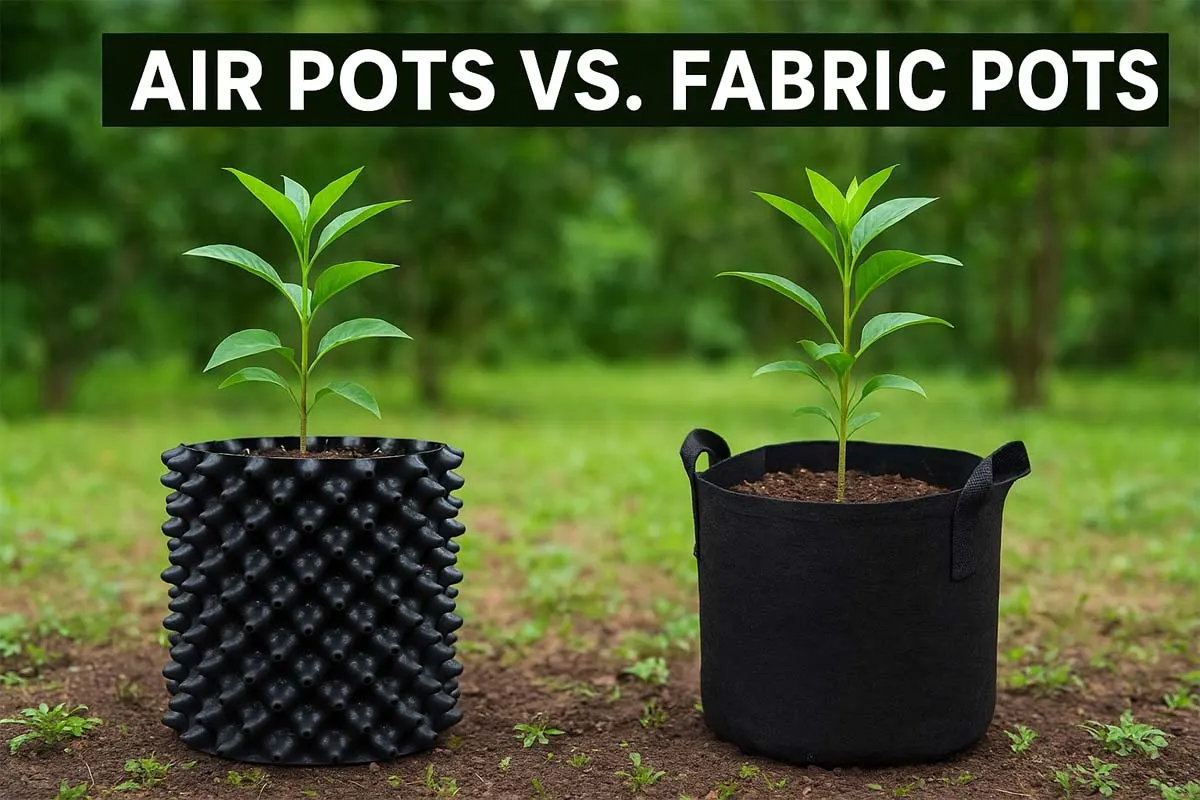
Air Pots are specially designed plastic containers with a perforated, cone-shaped wall structure. The walls have multiple holes that expose the root tips to air.
This unique design encourages a process called air pruning, where the roots naturally stop growing when they reach the edge of the pot and are exposed to air. Instead of circling and becoming root-bound, the plant develops a dense network of fresh feeder roots.
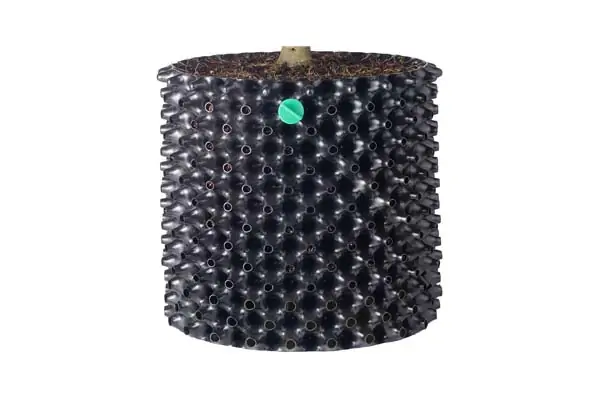
Benefits of Air Pots:
- Prevents root circling and root-bound problems
- Boosts nutrient and water absorption efficiency
- Promotes stronger, healthier, and more fibrous roots
- Improves oxygen availability to the root zone
- Ideal for both indoor and outdoor gardening
Best Plants for Air Pots:
- Fruit trees in containers
- Vegetables like tomatoes, peppers, and cucumbers
- Herbs like basil, rosemary, and mint
- Flowering plants like hibiscus and bougainvillea
Fabric Pots
Fabric Pots are made from breathable, durable geotextile fabric. The material allows excess water to drain quickly and permits oxygen to enter freely. Like Air Pots, they also encourage air pruning, but their fabric walls keep the roots cooler and well-aerated during hot weather.
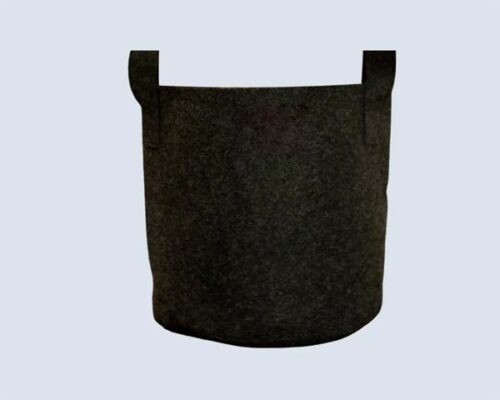
Benefits of Fabric Pots:
- Excellent drainage, preventing overwatering
- Cooler root environment in summer
- Lightweight and easy to move
- Foldable and space-saving when not in use
- Suitable for hydroponics and soil-based growing
Best Plants for Fabric Pots:
- Leafy greens like spinach, lettuce, and kale
- Root vegetables like carrots, radishes, and potatoes
- Strawberries and dwarf fruit varieties
- Houseplants and ornamental plants
Also Read This :Monsoon Plants That Purify Air and Repel Mosquitoes — A Natural Home Shield
Air Pots vs. Fabric Pots – Which One Should You Choose?
| Feature | Air Pots | Fabric Pots |
|---|---|---|
| Material | Sturdy recycled plastic | Breathable geotextile fabric |
| Durability | Long-lasting, reusable for years | Can last several seasons with care |
| Air Pruning | Highly effective due to perforated cones | Effective through breathable fabric |
| Drainage | Excellent | Excellent |
| Temperature Control | Moderate | Better cooling in hot climates |
| Best For | Perennials, trees, large plants | Seasonal crops, hydroponics, small spaces |
Why Gardeners Are Switching to Air and Fabric Pots
- Better Growth – Plants grown in these pots tend to grow faster because of healthier roots.
- Higher Yields – For vegetables and fruits, better roots mean more flowers and fruits.
- Eco-Friendly Options – Many fabric pots are biodegradable, and Air Pots are often made from recycled materials.
- Mobility & Space Efficiency – Perfect for balcony gardens, rooftop gardening, and greenhouse setups.
Tips for Using Air Pots and Fabric Pots Effectively
- Always use a good quality, well-draining potting mix.
- Water more frequently in fabric pots as they dry out faster.
- For Air Pots, ensure a saucer or tray beneath them if used indoors to avoid spills.
- Add organic compost regularly for nutrient-rich growth.
- Choose the right size pot — bigger is better for long-term crops.
How Air Pruning Works (And Promotes Healthier Roots)
Air pruning is a natural, chemical-free method where roots exposed to air at container edges die back—prompting new feeder roots to grow. This prevents root crowding and promotes dense, fibrous root systems.
Benefits include:
- Reduced root-bound issues
- Quicker nutrient uptake
- Stronger, resilient transplant roots
Also Read This :Do Air-Purifying Plants Really Work? Science vs. Hype
Real-Gardener Insights (from Reddit)
“In this case the air pruning plant […] choked itself out [in conventional pot]… The plant in the air pruning pot had much more growth. Happy roots, happy shoots.”
— Reddit user NalJohn in a mint comparison thread.
Others note fabric pots retain moisture longer, which can be beneficial or detrimental depending on the climate and watering routine.
Practical Tips for Indian Gardeners
Choose Based on Climate
- Air Pots for hot, humid areas (better aeration, reduced rot)
- Fabric Pots for dry areas needing moisture retention
Process of Watering
- Use slow drip or light misting to prevent soil spillage from Air Pot holes
- Water more often with both pot types, as they dry faster than vinyl/plastic pots
Gradual Transition
- Start with one pot of each type to test with your favourite plant
- Observe growth, moisture retention, root structure, and handling
Pot Size Matters
Choose larger sizes if you struggle with frequent watering — bigger volume holds more moisture longer.
Cleaning & Reuse
- Air Pots: clean easily and store flat
- Fabric Pots: machine-washable, foldable for compact storage
Also Read This :Zero-Waste Gardening: A Story of One Family’s Journey to a Greener Life
Verdict: Which Is Better?
Both Air Pots and Fabric Pots are a step up from regular plastic containers. They prevent root binding, support healthier roots, and improve aeration. For indoor/subtropical balcony gardeners in India:
- Prefer Air Pots if your summers are oppressive and your plants are prone to root rot
- Opt for Fabric Pots if you need moisture retention and compact storage
FAQs
Q1: Can I reuse Air or Fabric Pots year after year?
Yes. Air Pots are durable plastic and can be collapsed for storage. Fabric pots can be washed and reused for multiple seasons.
Q2: Do air or fabric pots dry soil too fast?
They dry faster than plastic pots due to increased airflow. Adjust your watering schedule accordingly — often watering every 2–3 days in hotter months.
Q3: Which type supports transplant better?
Air Pots encourage dense fibrous roots, reducing transplant shock. Fabric Pots help too with healthier, breathable roots — both increase transplant success.
Q4: Are Air Pots more expensive than Fabric Pots?
Generally, yes—they cost more upfront. Fabric Pots are highly affordable and widely available. But both save money in the long run as they’re reusable.
Q5: Can plants still get root-bound in these pots?
Very unlikely. Air pruning and fabric breathability restrict circling roots, leading to healthier root architecture overall.